
Locations
Location gallery
Organized by region. Each photo lists the location and the permit application required to film there — if no jurisdiction is listed, contact the commission and we’ll point you to the right one. Titles link to each location’s own page.
01 · County seat
Sonora
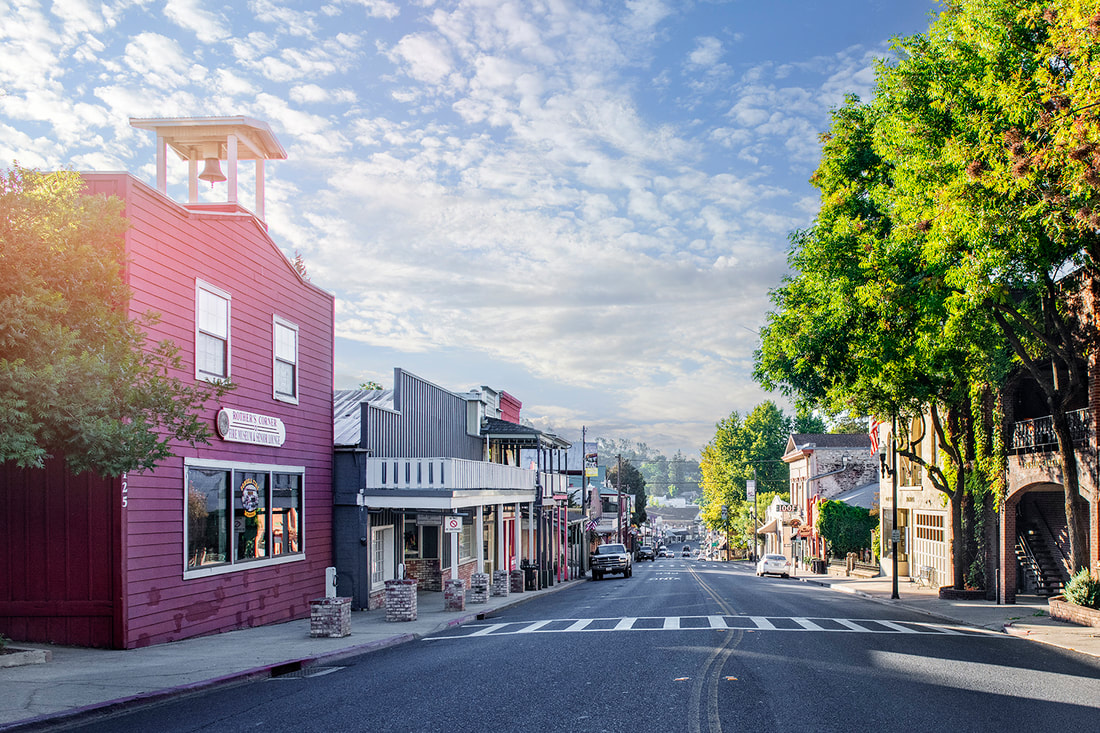
A working downtown that still looks like one: Victorian and brick storefronts along Washington Street, the courthouse, a red wooden church, and the old county jail two blocks off the main drag.
Vacant County Jail
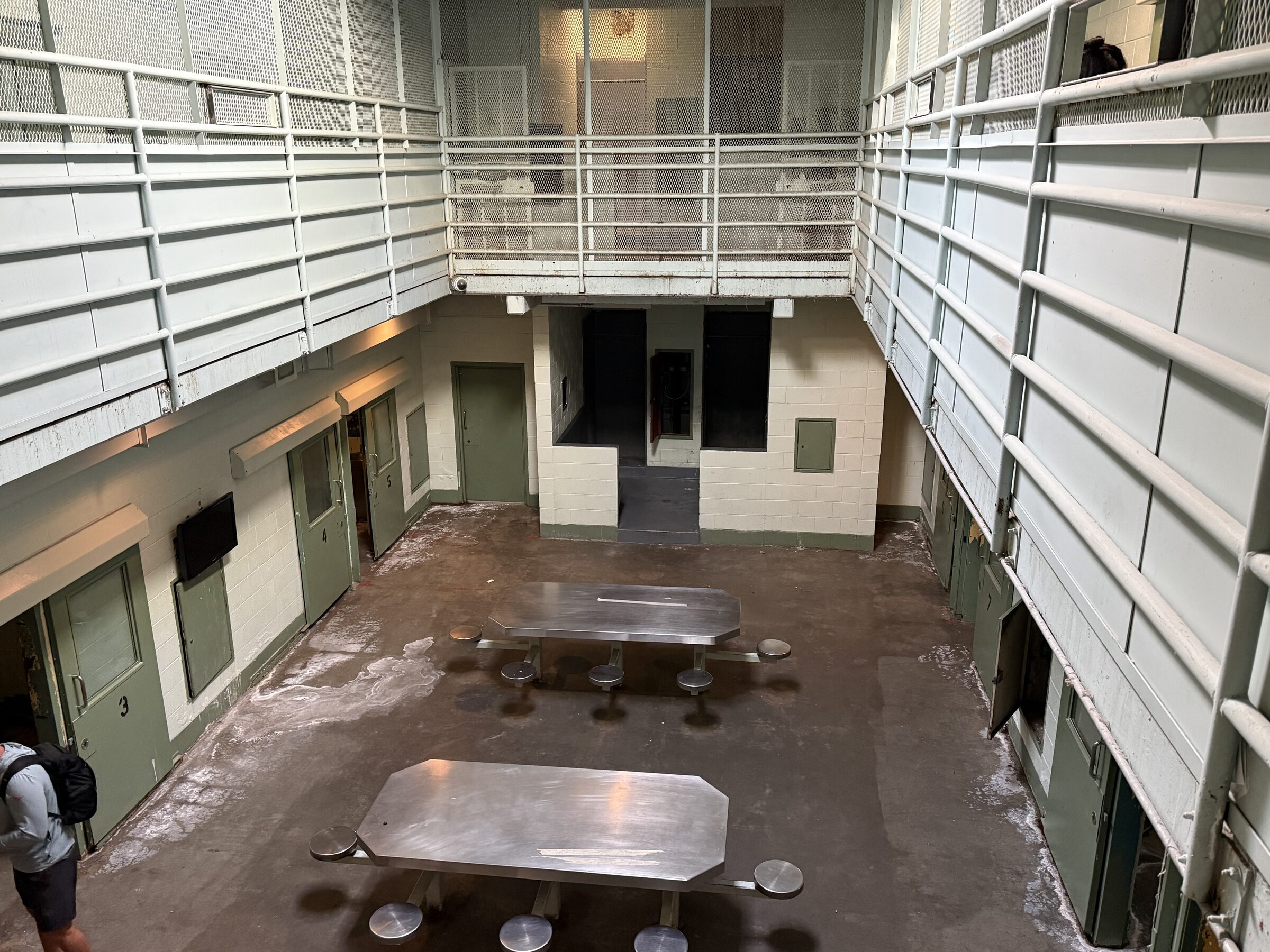
The former Tuolumne County Jail, empty and bookable for filming through the commission: a two-tier housing unit, barred cell rows, dorms, and an exercise yard. There is a site fee; call 209.533.4420 or email for current rates.
Washington Street
Sonora’s main street: two- and three-story storefronts from the 1850s onward, the county courthouse, and everyday traffic. Reads as present-day small-town America without set dressing.
The Red Church
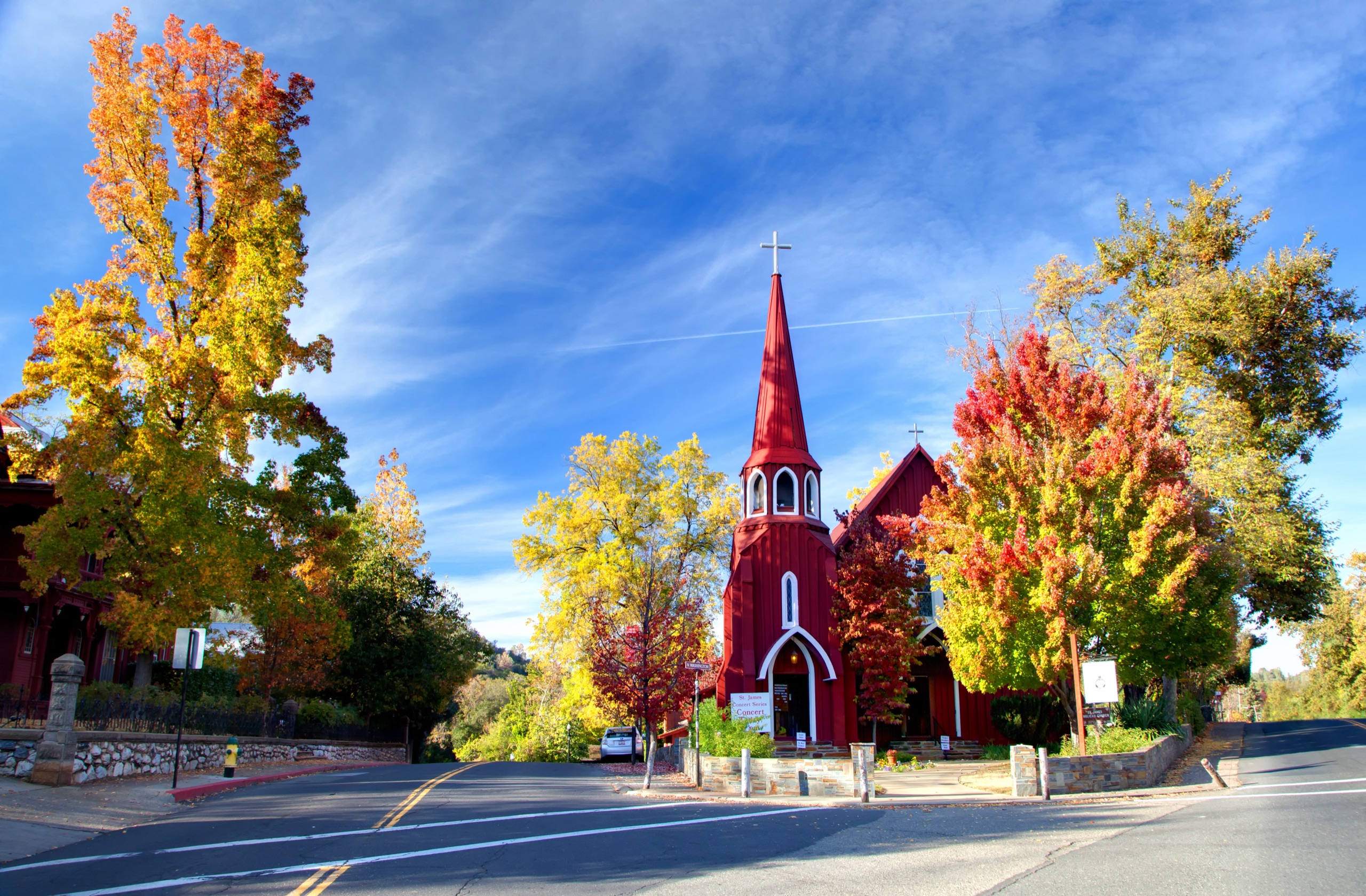
St. James Episcopal Church, finished in 1860 at the north end of Washington Street. Carpenter Gothic in red-painted wood, with the street’s fall color peaking in late October and November.
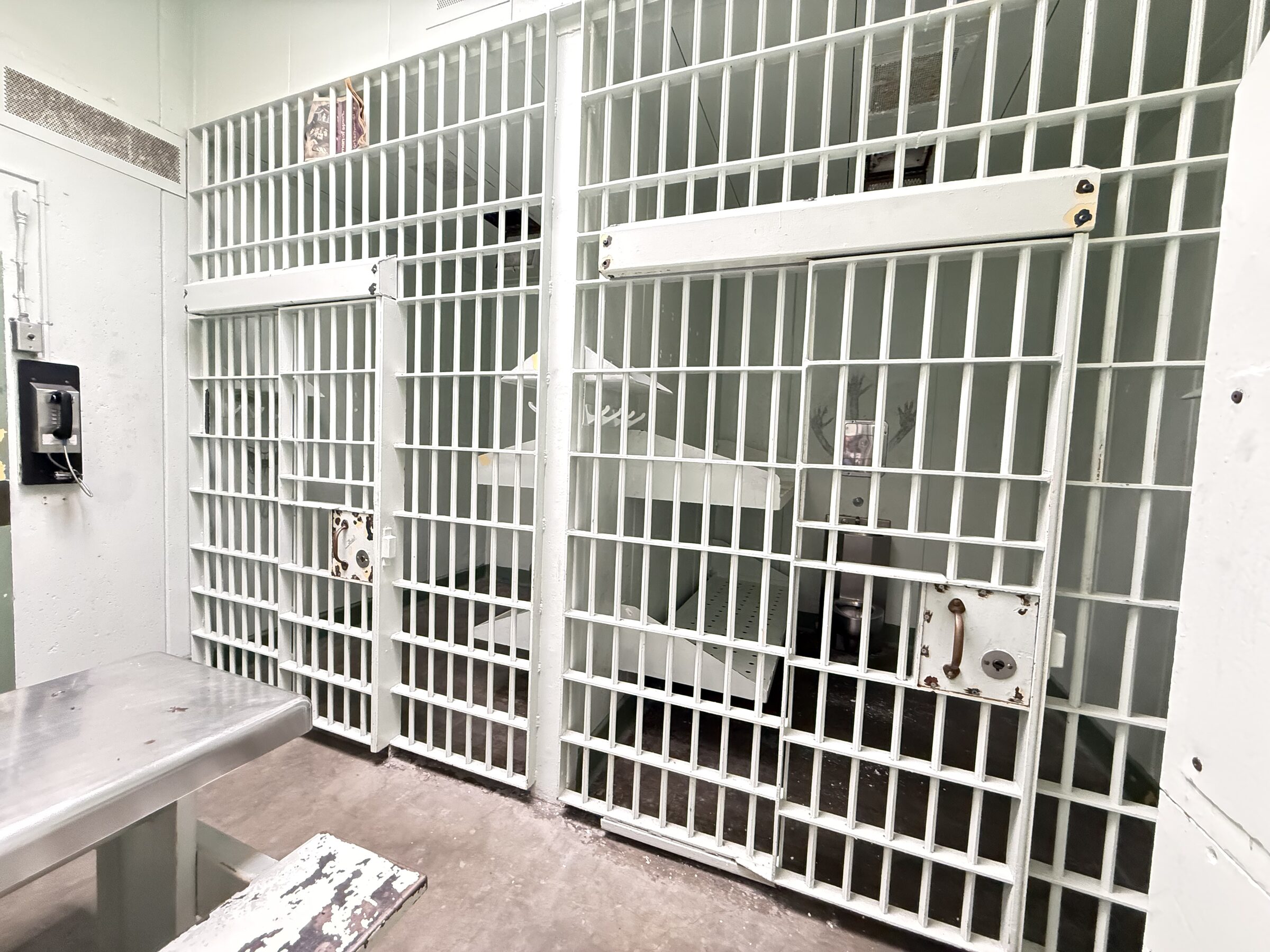
Jail cell rows
Barred cells with working doors, a guard walk, and steel fixtures, left as they were when the jail closed. Pairs with the dorms and dayrooms for a full block of interiors in one building.
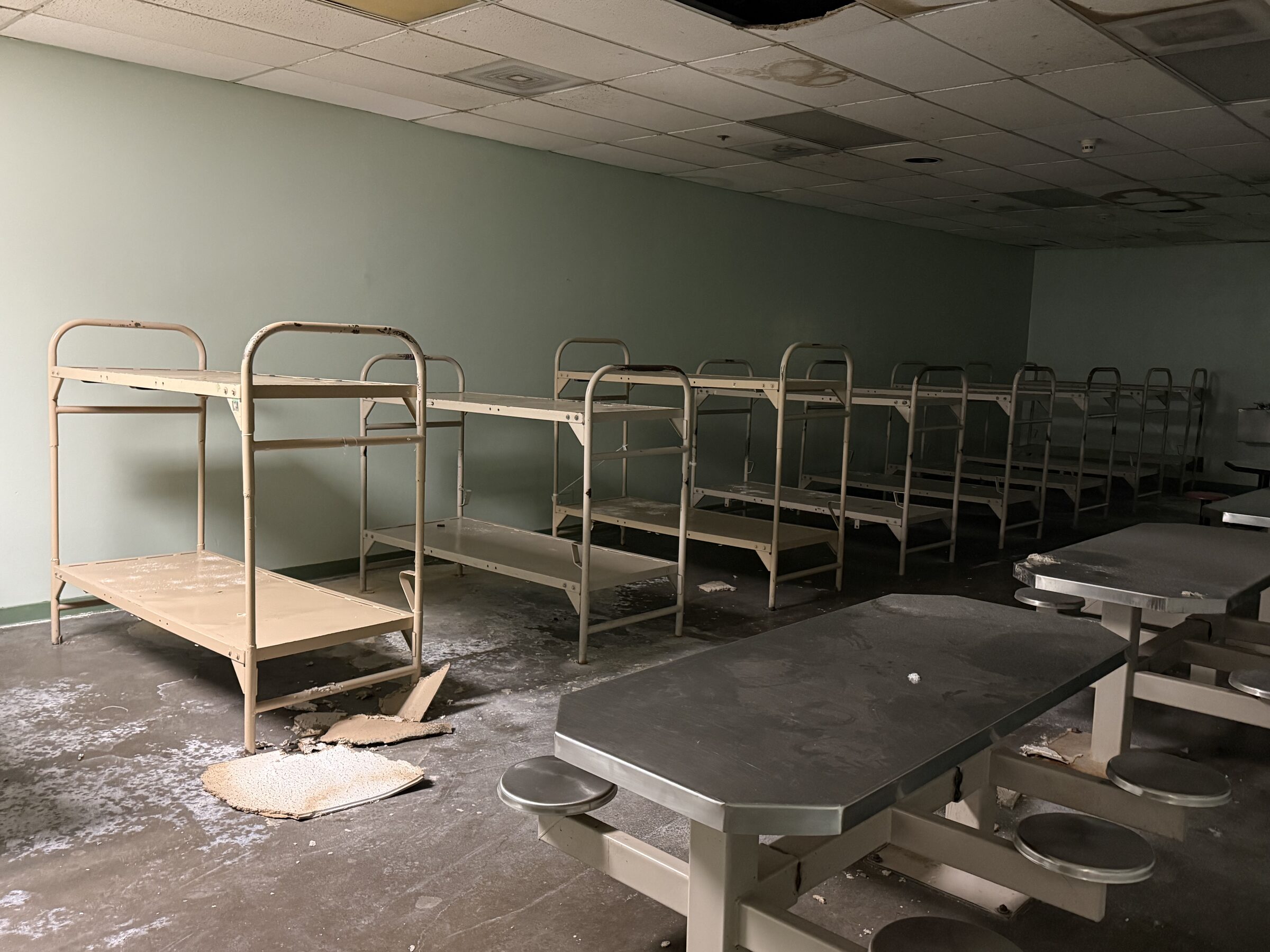
Jail dorms and dayrooms
Open dormitories with steel bunks and bolted tables, plus dayrooms and an open-air exercise yard. Lighting is institutional fluorescent, so bring your own if you want mood.
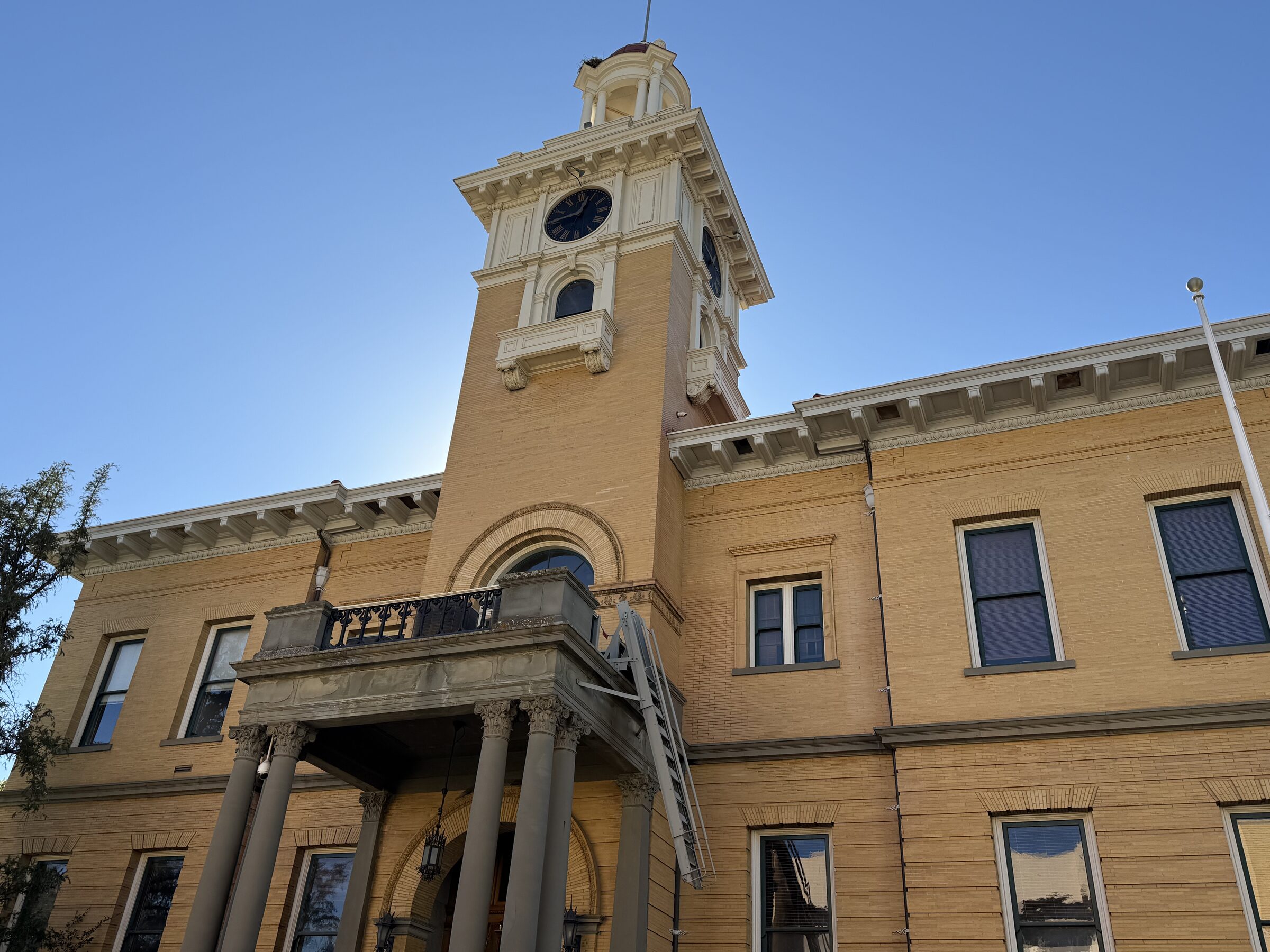
Tuolumne County Courthouse
The yellow courthouse and clock tower in downtown Sonora. A ready-made small-town civic exterior.
02 · Rail town
Jamestown
A Gold Rush main street and the Sierra Railway’s 1897 shops, still working. The most-filmed square mile in the county.
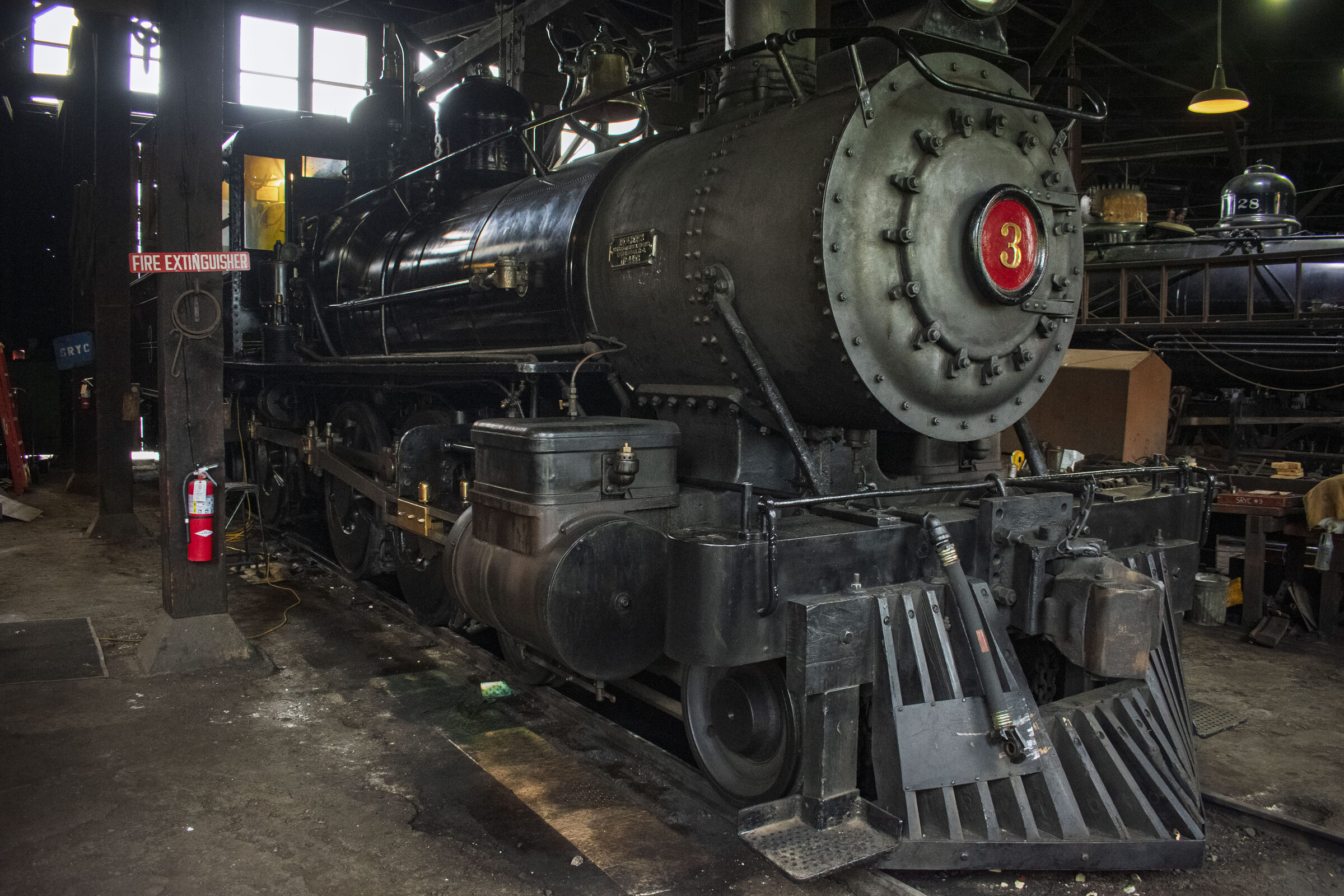
Railtown 1897 roundhouse
The 1897 roundhouse and shops still service the locomotives that run here. Engine No. 3 played the time train in Back to the Future Part III. Locomotive movement and train staging are arranged with the California State Railroad Museum Foundation, which charges separately.
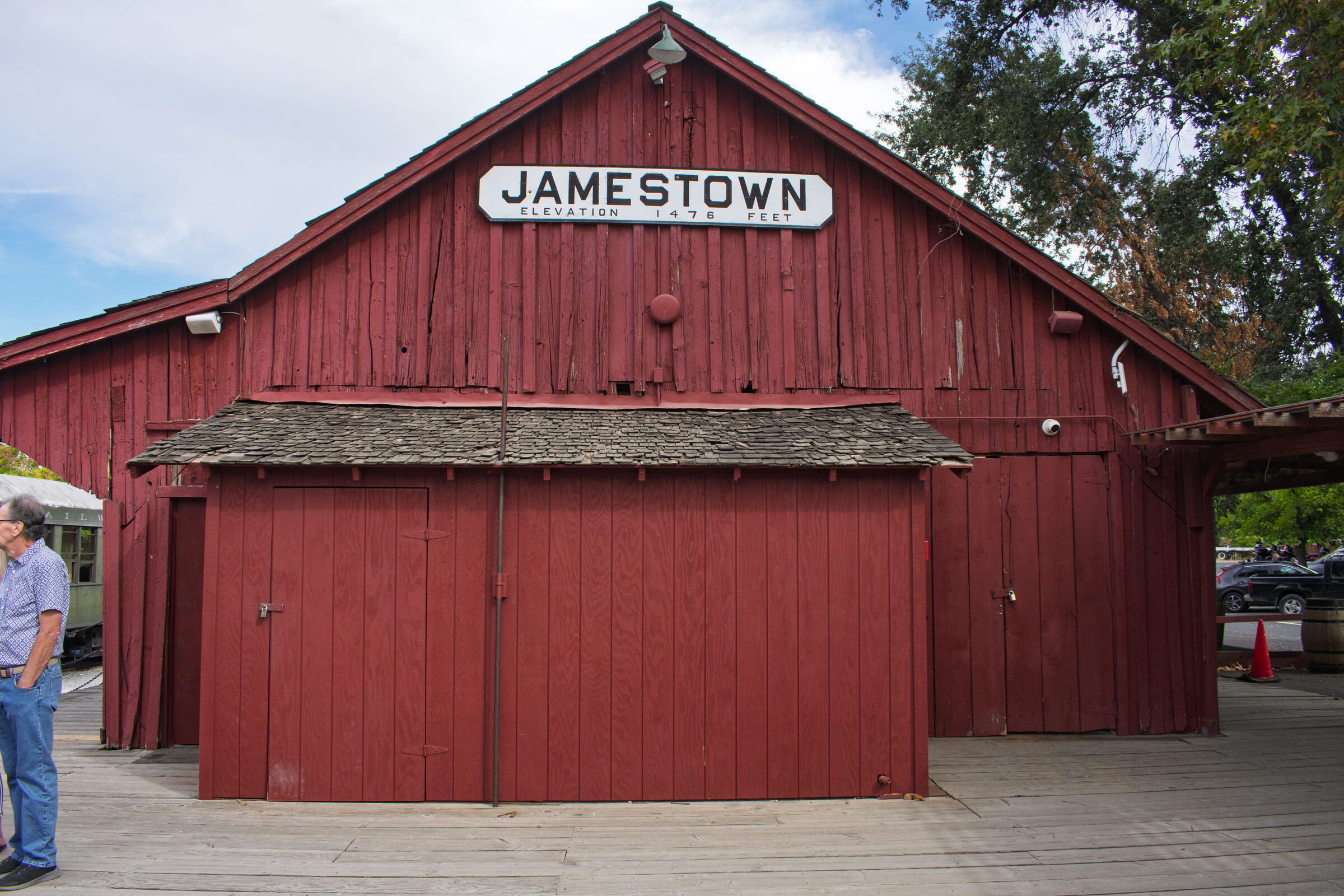
Railtown depot and grounds
Depot, blacksmith shop, water tower, and scrap yard on the park’s 26 acres, with a working railroad connecting them. A timeline on site lists the movies and shows that have used the trains.
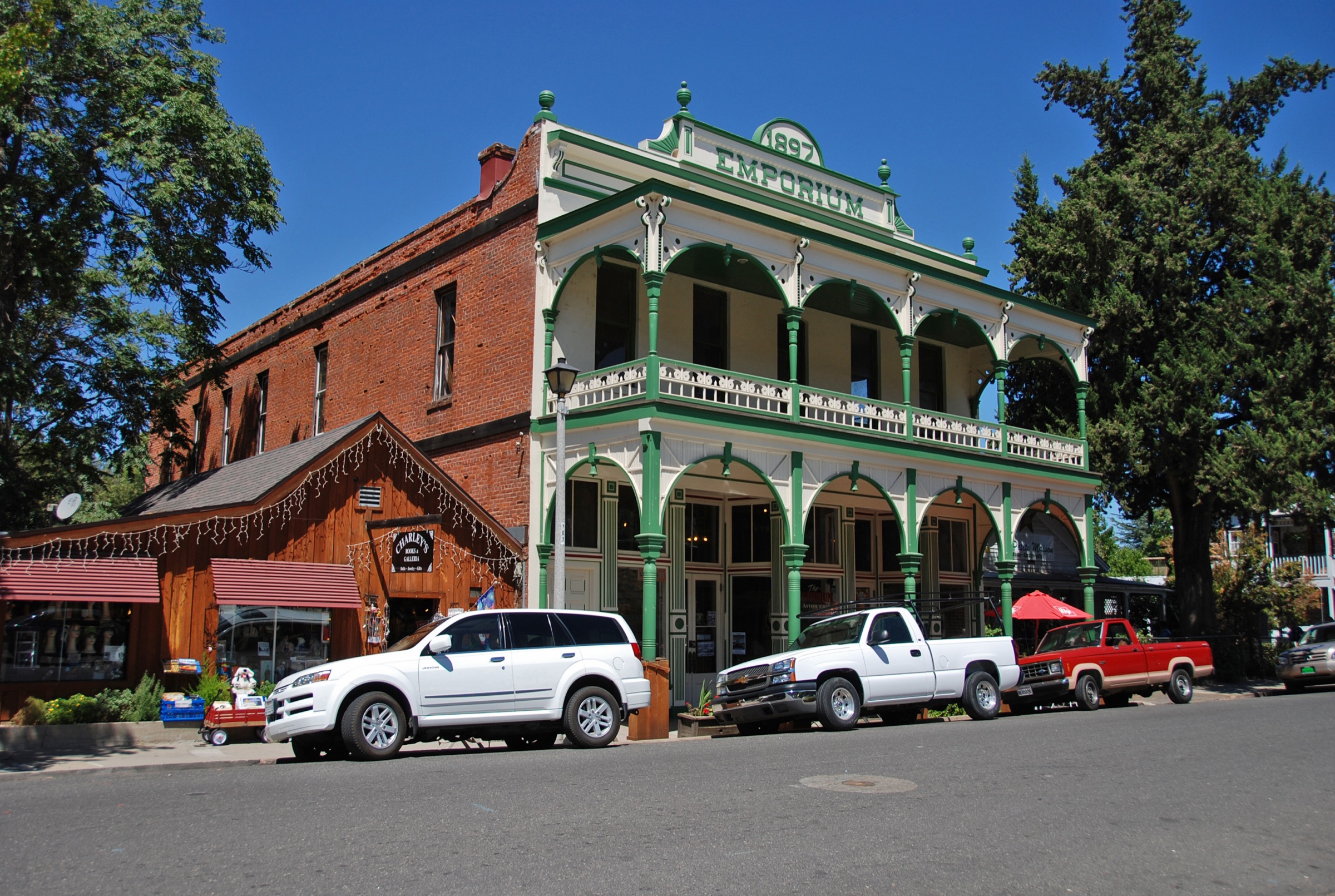
Main Street, Jamestown
Gold Rush storefronts a few blocks from Railtown: the 1897 Emporium with its two-story iron veranda, the National Hotel, and the Jamestown Hotel. Sidewalk to sidewalk it still plays as a western main street.
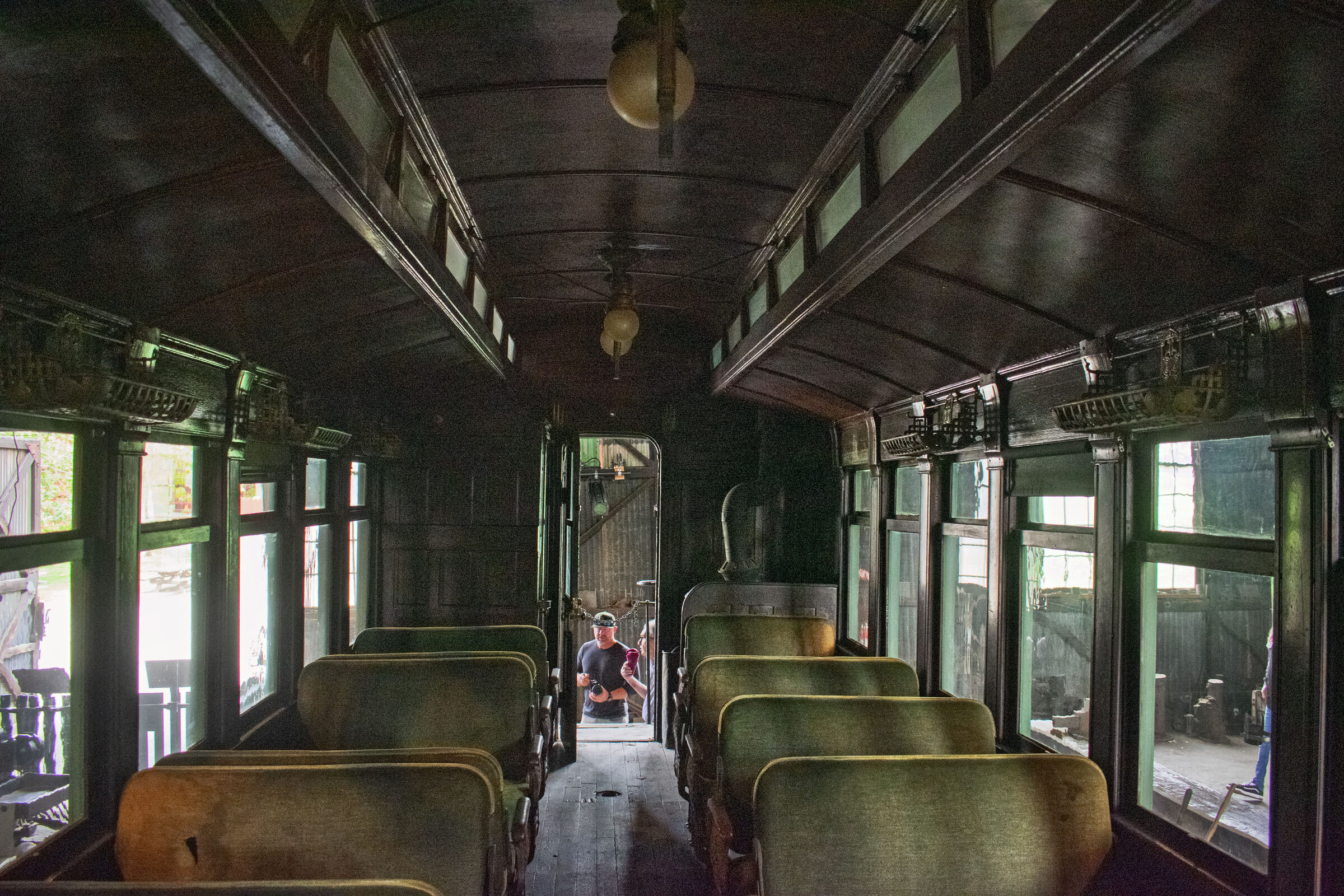
Passenger coach interiors
Wooden Sierra Railway coaches with their original seats, brass lamps, and clerestory windows. They shoot as parked sets or on a moving train.
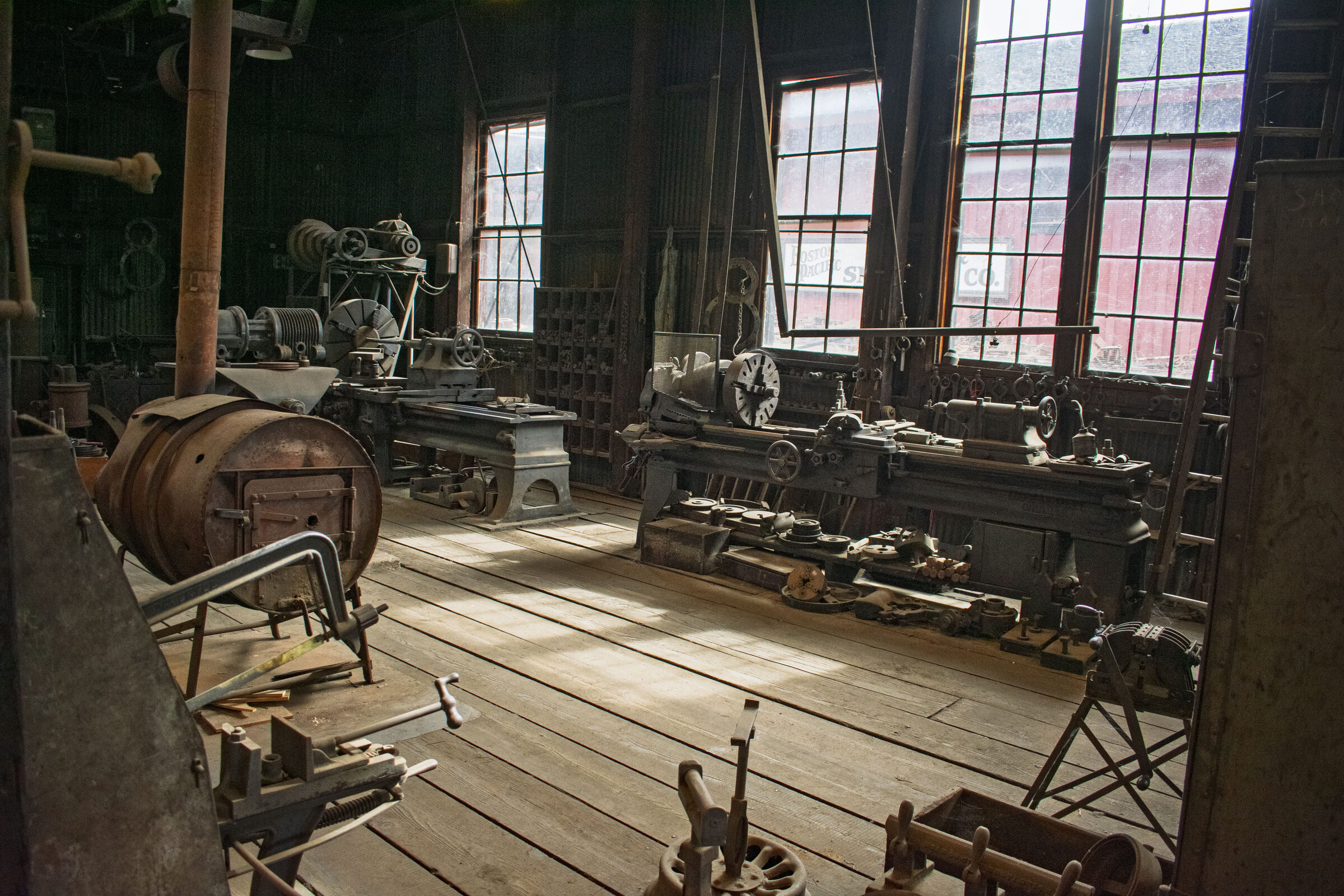
Machine shop
Lathes, overhead belt drives, and a century of tools on worn plank floors, lit by tall shop windows. Vintage trucks and rail equipment fill the bays around it.
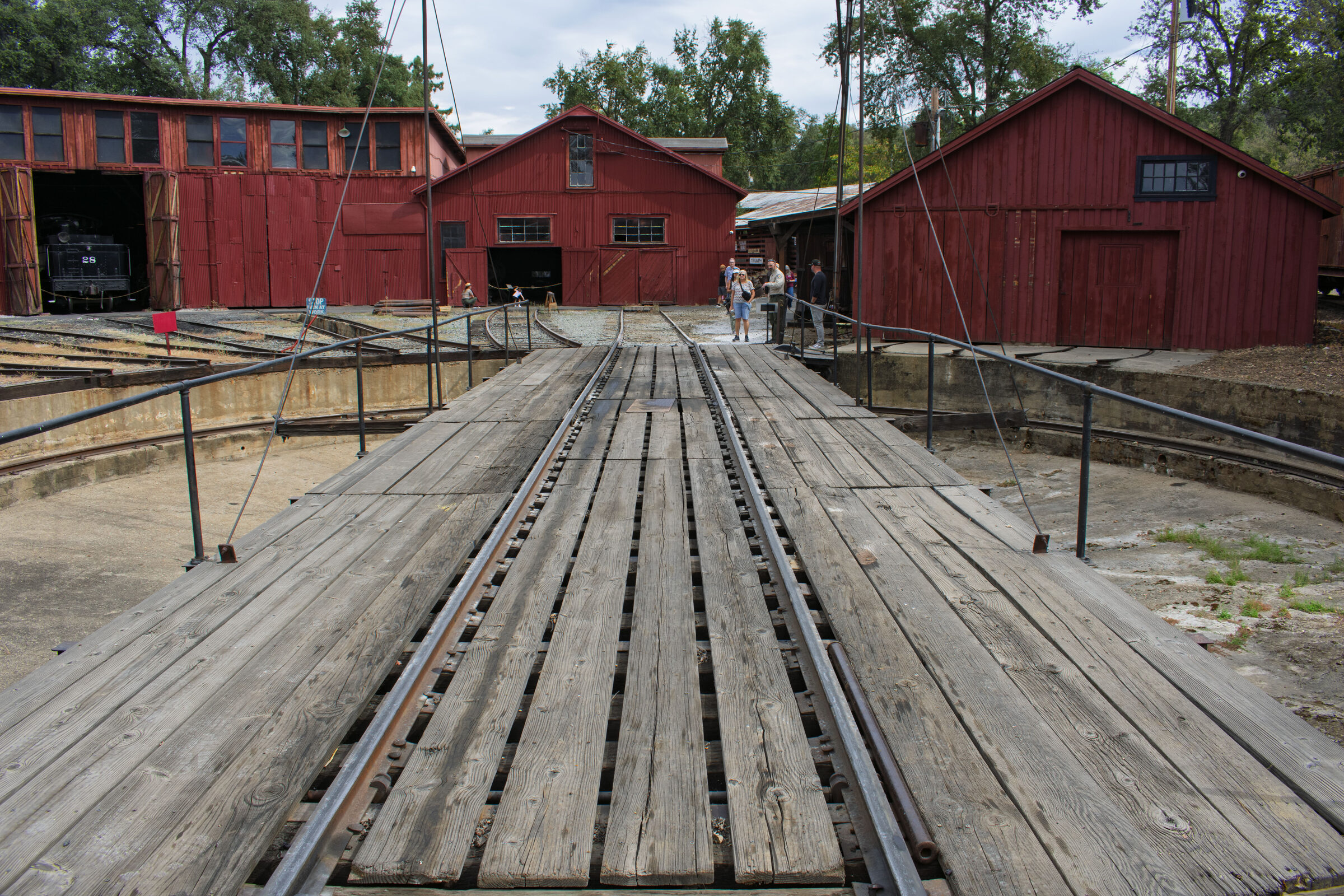
Turntable and roundhouse yard
The working turntable and the long red roundhouse behind it, with tracks fanning out across the yard. Wide open for crane and drone shots.
03 · Living-history town
Columbia & Highway 49
California’s best-preserved Gold Rush town, closed to vehicle traffic, plus the Highway 49 corridor that strings the Gold Country together.
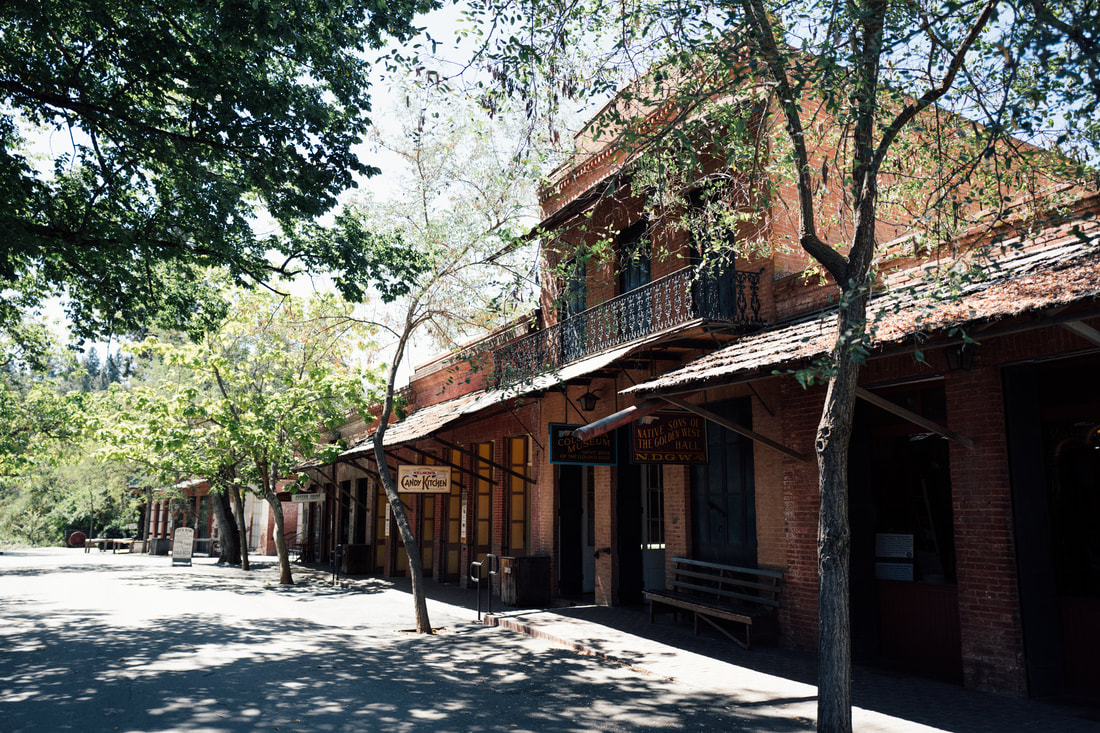
Main Street, Columbia
Brick storefronts, wooden sidewalks, and staffed period businesses with no cars in frame. High Noon shot on this street in 1952, and it still reads as 1850 from every angle.
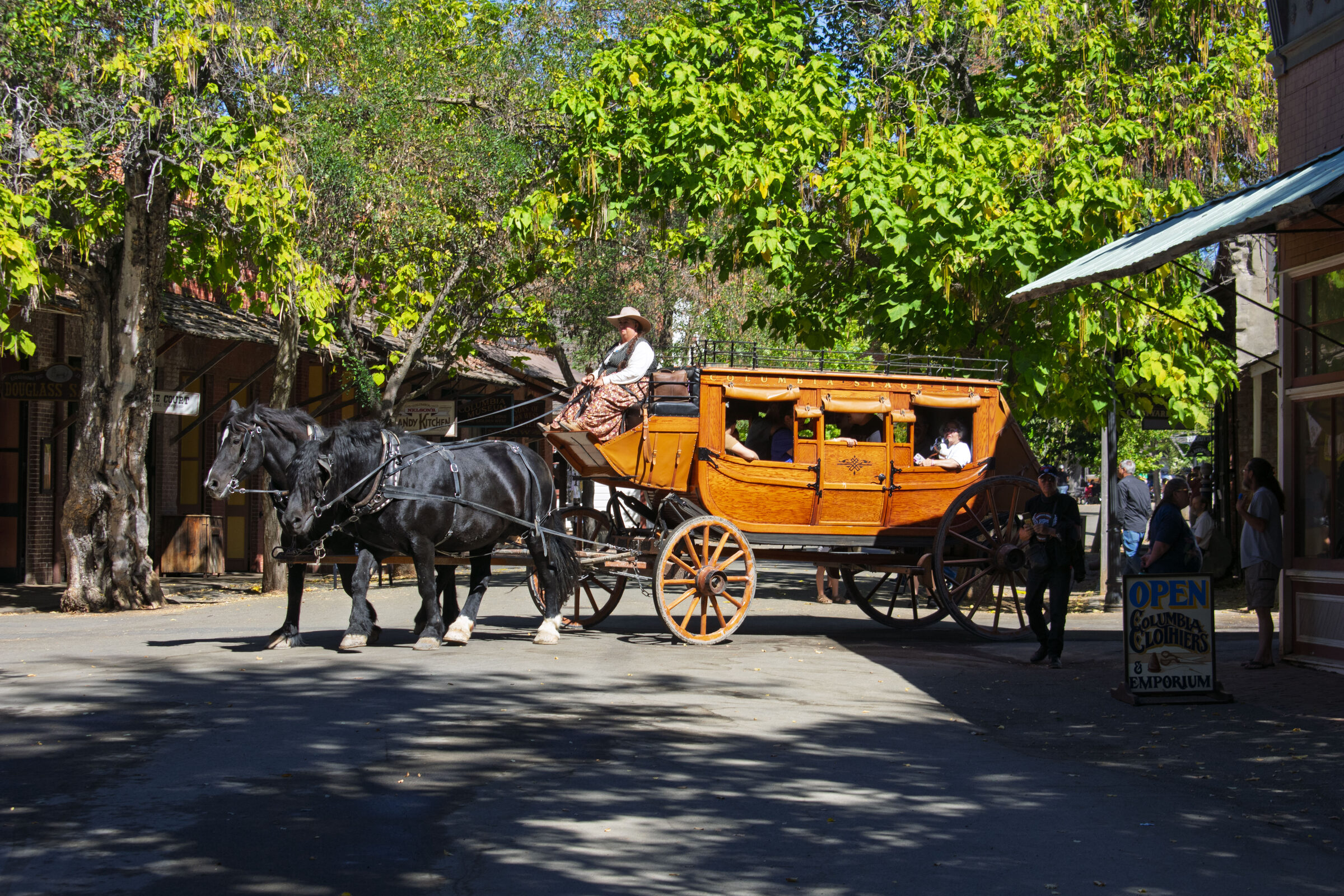
Stagecoaches, shops, and concessions
The park’s concessionaires run the stagecoach, blacksmith, livery, and period shops. Filming at a concession needs the business’s permission on top of the park permit, and the roads through the park are county roads that may need their own.
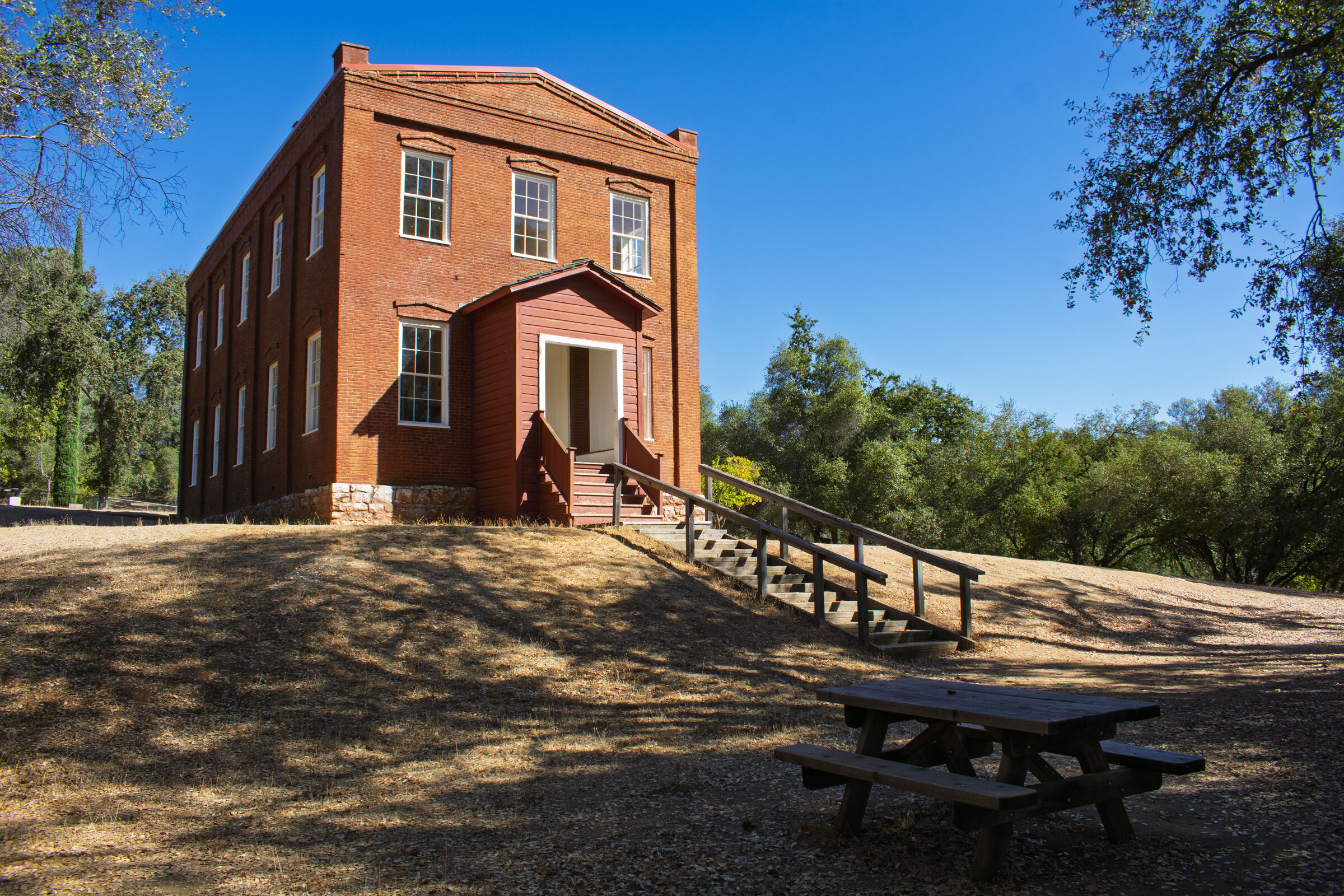
Columbia Schoolhouse
The two-story brick schoolhouse on the hill above town, with its classroom of wooden desks, slate boards, and a wood stove still set up inside.
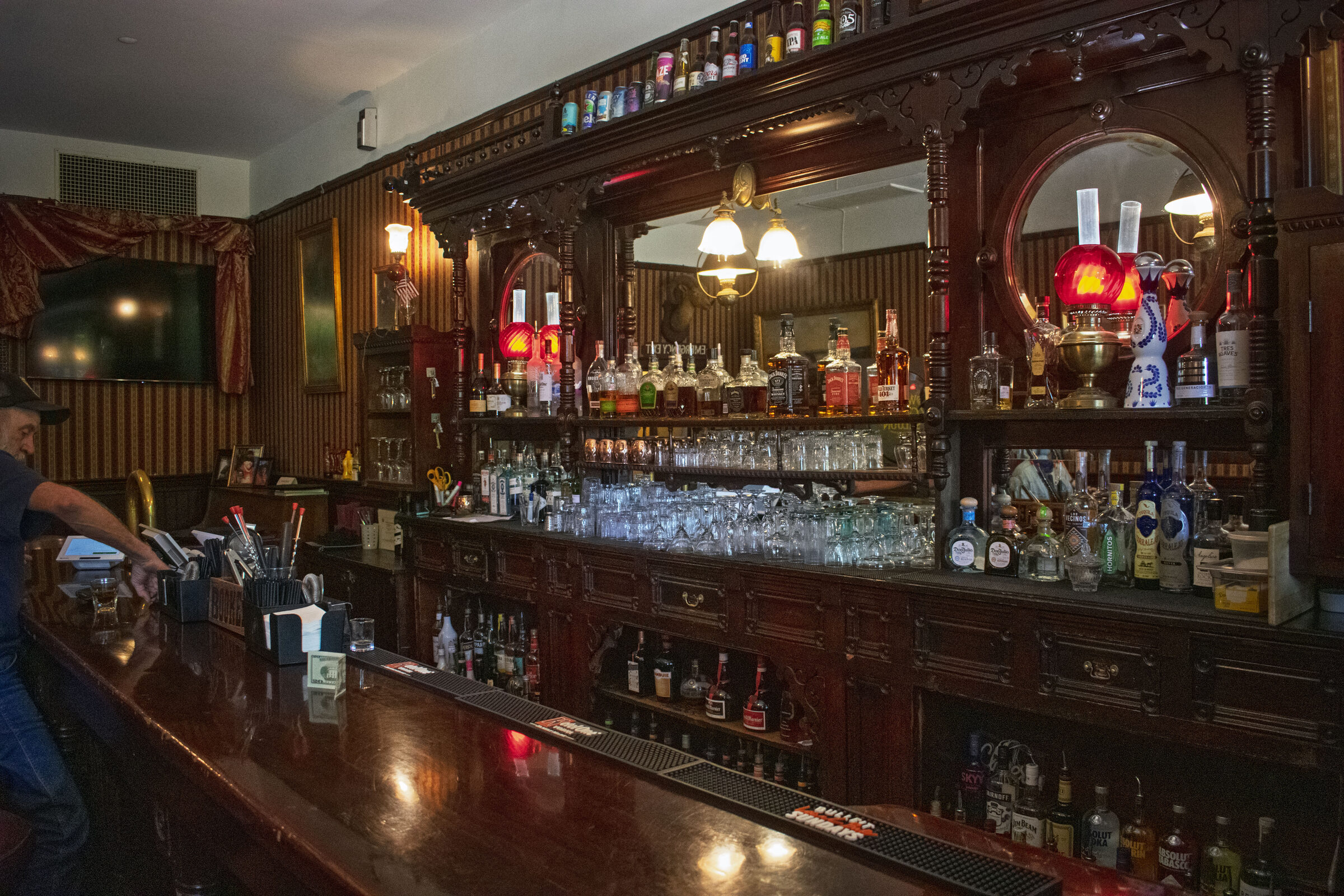
Hotel saloon
A carved back bar, mirrors, and red-shaded lamps in one of the town’s working hotel saloons. Like the other concessions, it needs the owner’s permission on top of the park permit.
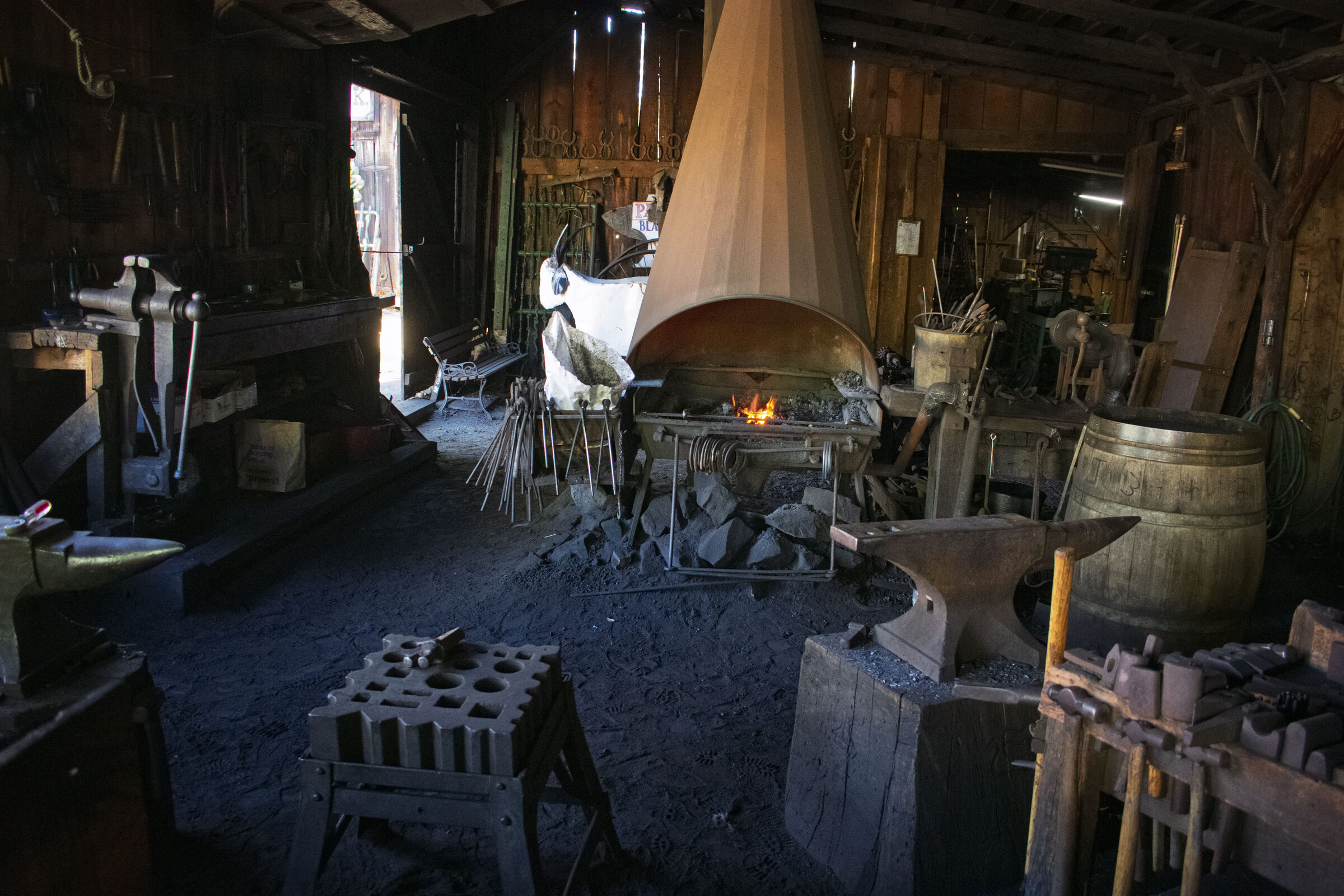
Blacksmith shop
A working forge with anvils, bellows, and racks of tools, in one of the park’s period shops. Good for close-up practical fire and sparks.
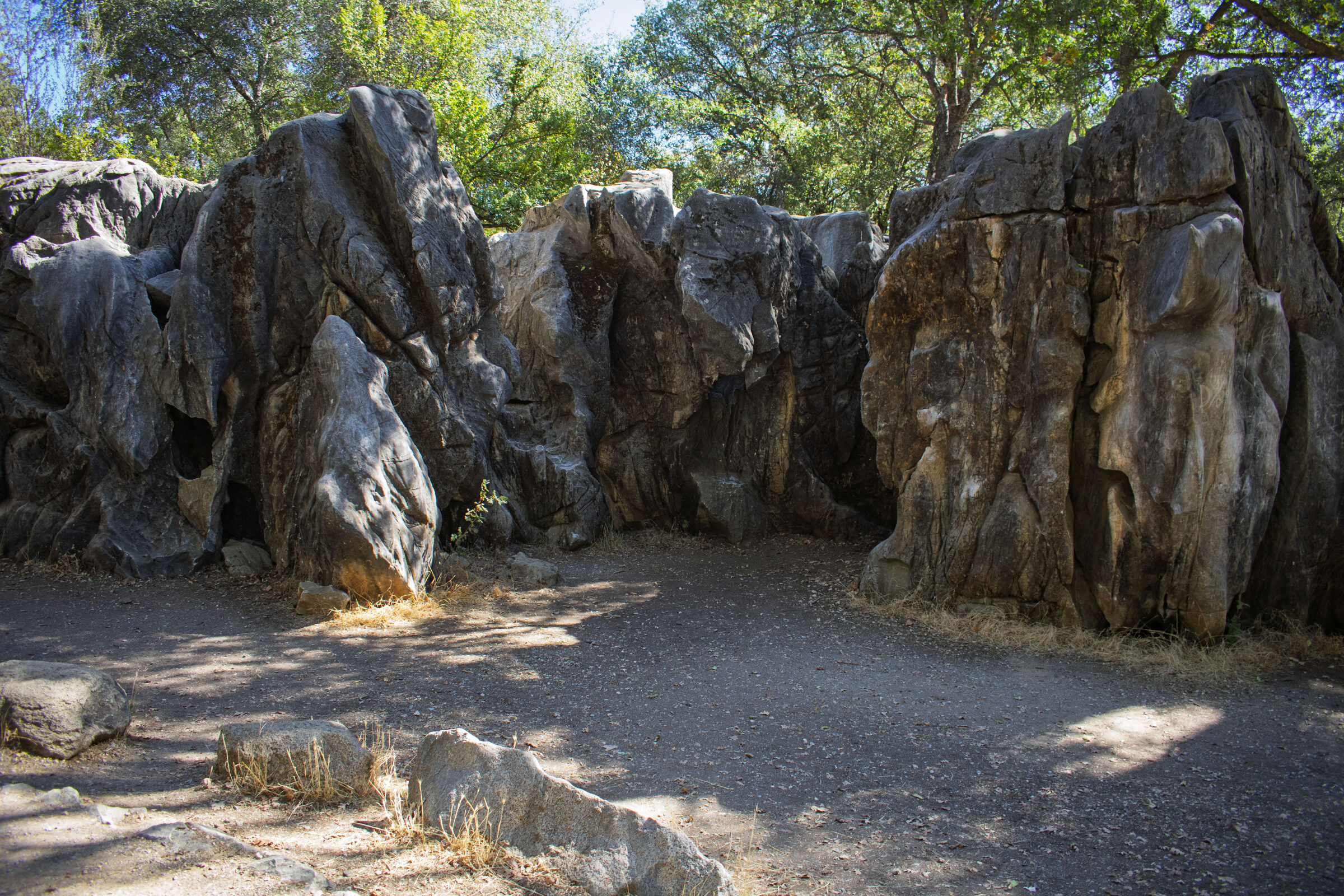
Limestone outcrops
Gold miners washed the soil off Columbia’s bedrock and left fields of fluted gray limestone boulders at the edge of town. Otherworldly within a five-minute walk of Main Street.
04 · Yosemite gateway
Groveland & Highway 120
The Highway 120 corridor into Yosemite. Tuolumne County’s share of the park includes Hetch Hetchy and Tuolumne Meadows — granite country without the valley’s crowds.
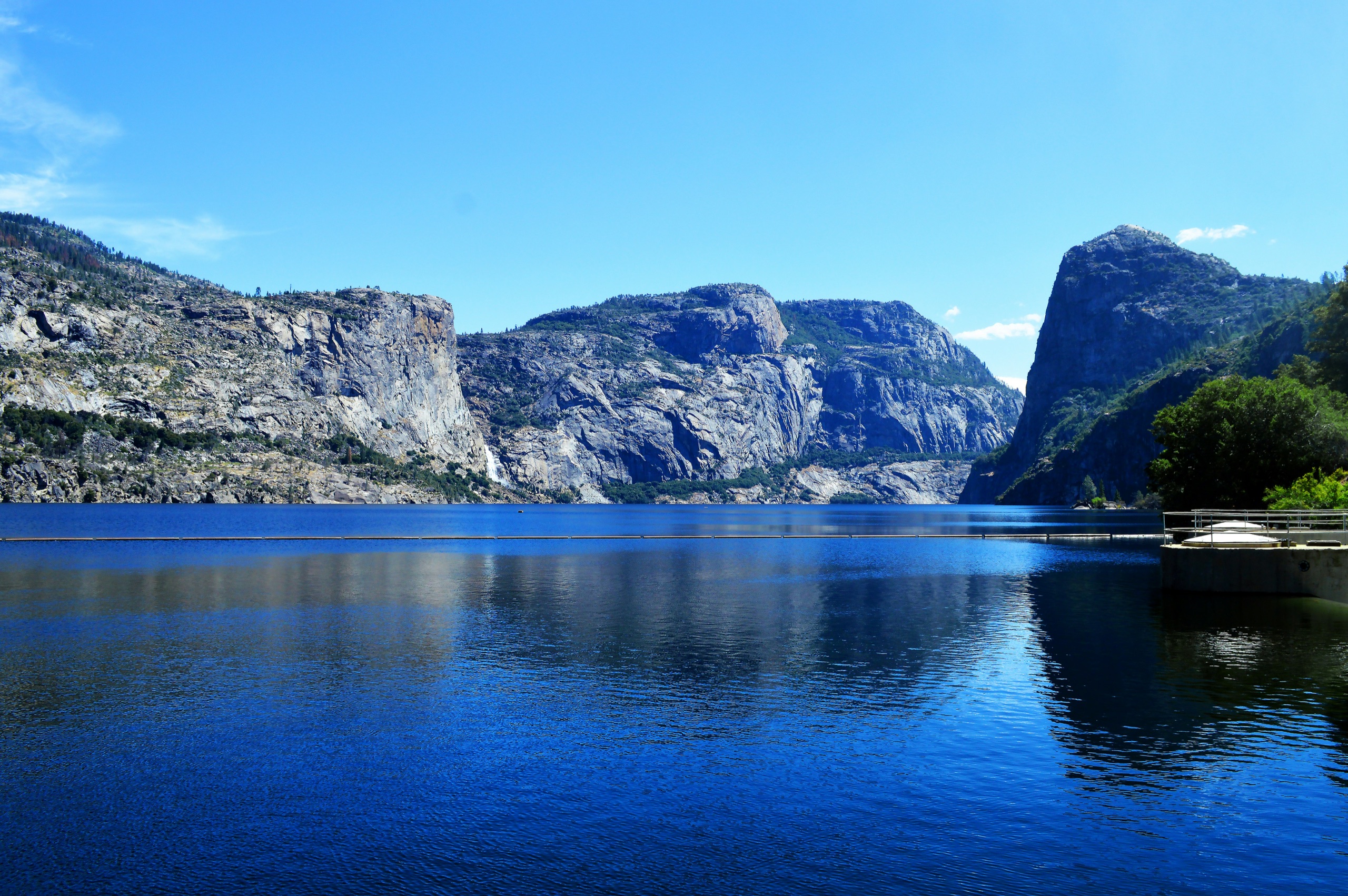
Hetch Hetchy
Granite walls and waterfalls above Hetch Hetchy Reservoir, inside Yosemite National Park. Reached from Highway 120 by Evergreen Road, about 40 minutes from Groveland.
Tuolumne Meadows and the upper river
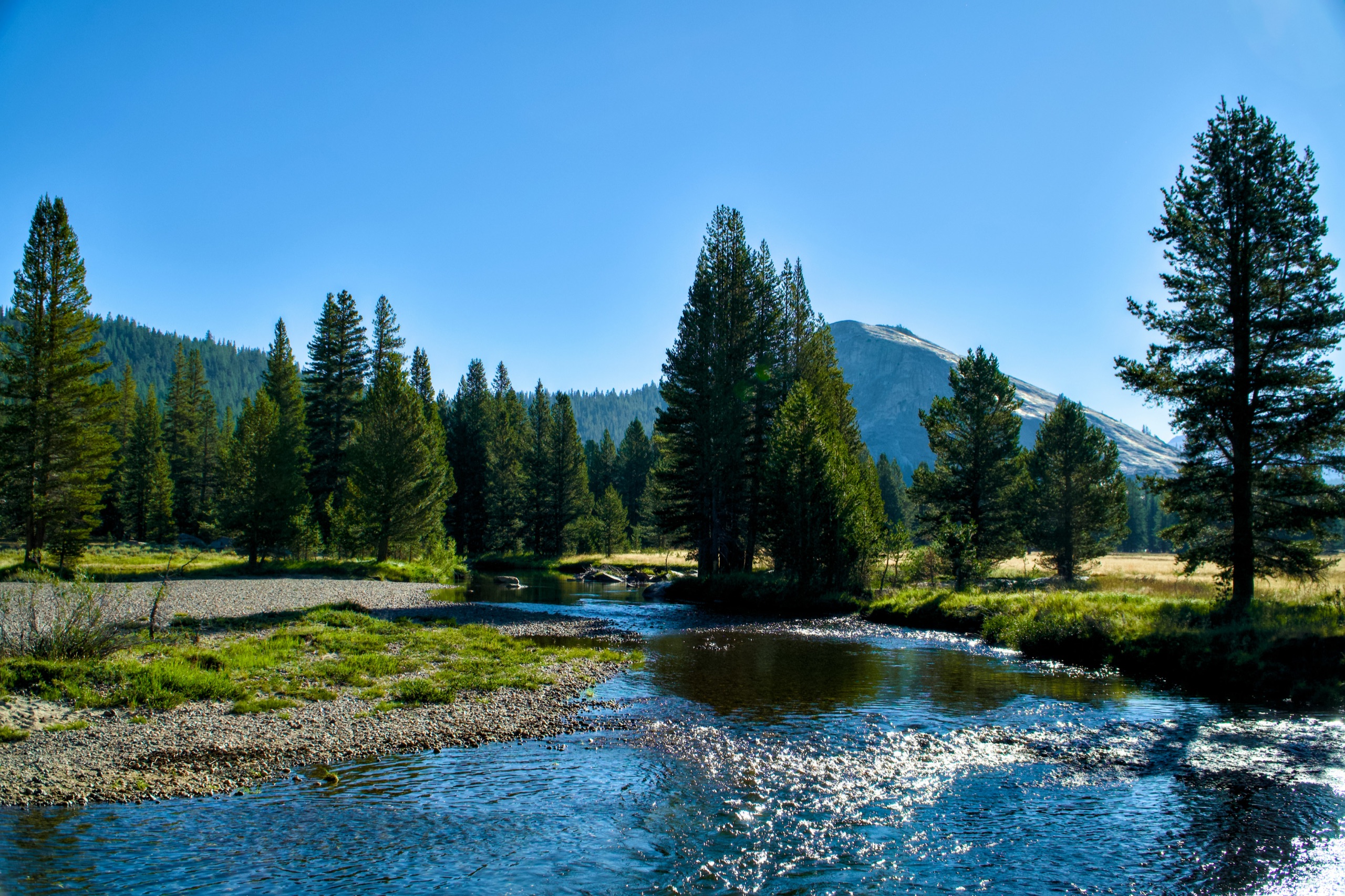
Alpine meadows, granite domes, and the Tuolumne River along Tioga Road, all inside the county line. Tioga Road closes for winter, usually from November into late May.
Tuolumne Grove sequoias
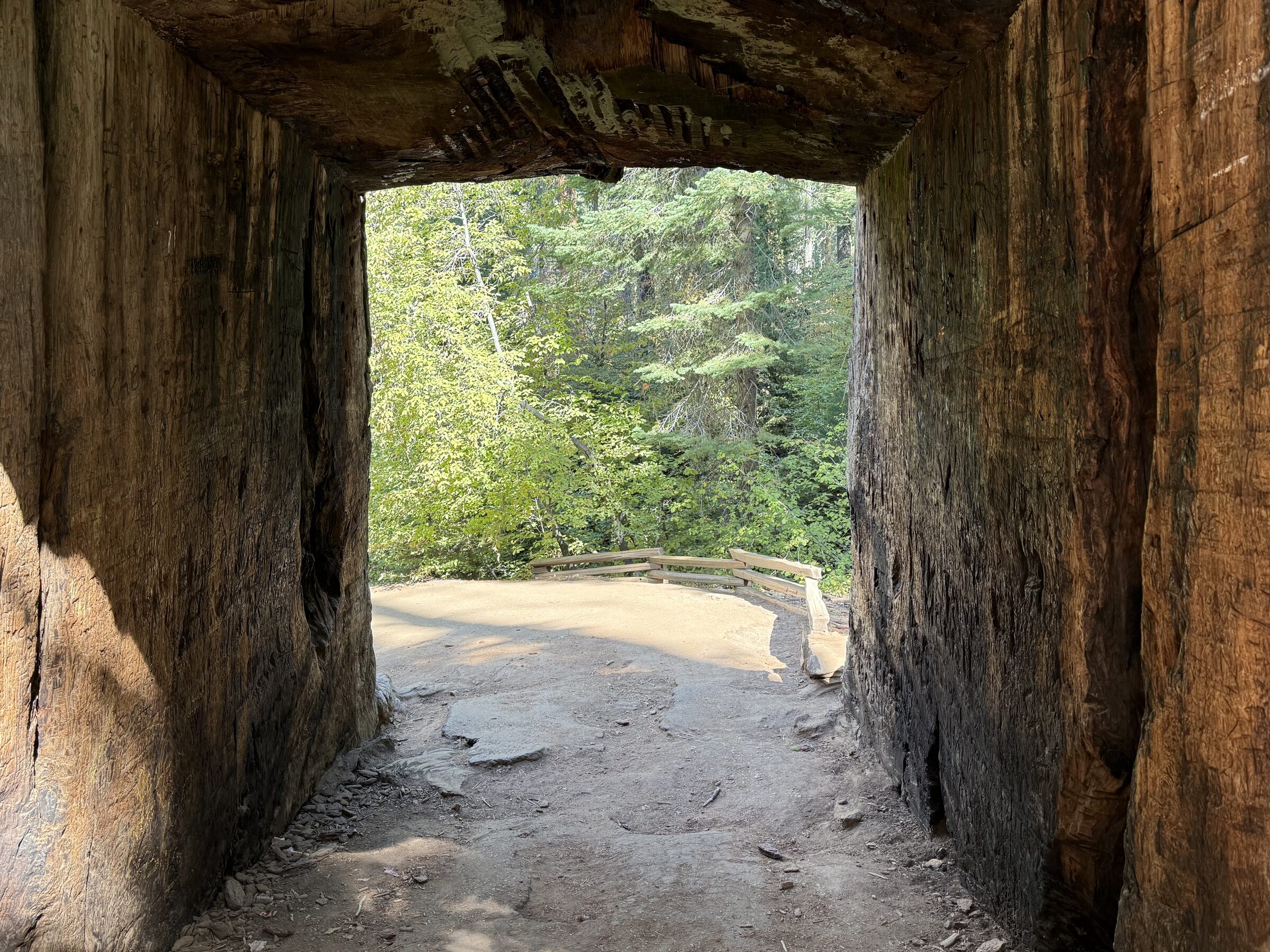
About two dozen giant sequoias off Tioga Road near Crane Flat, including a dead giant you can walk through. The grove is a one-mile hike down, with 500 feet to climb back out.
Rush Creek Lodge
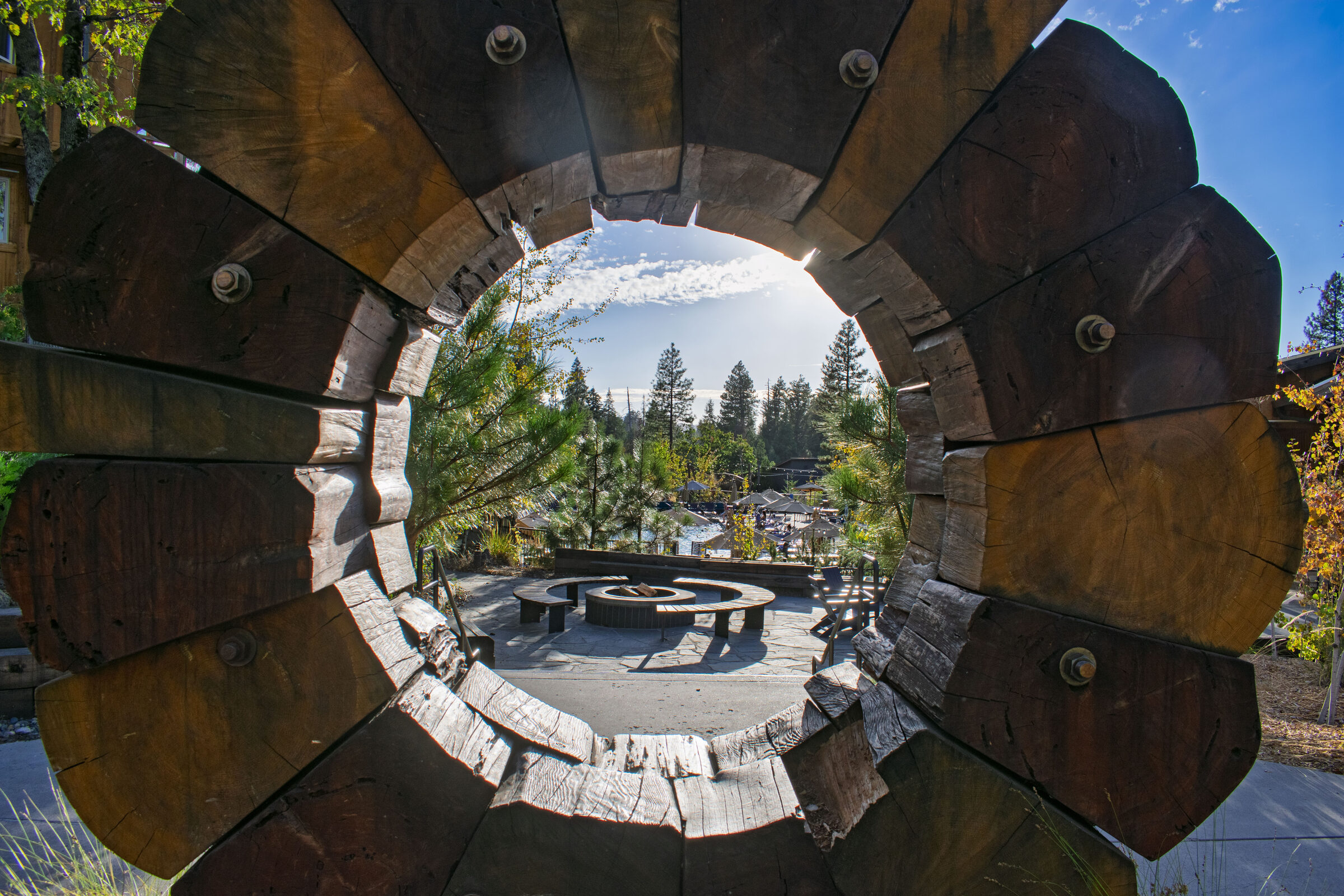
A modern mountain lodge on Highway 120 just outside the Yosemite gate: timber lounges, a big fire-pit terrace, and room blocks for a crew.
Evergreen Lodge
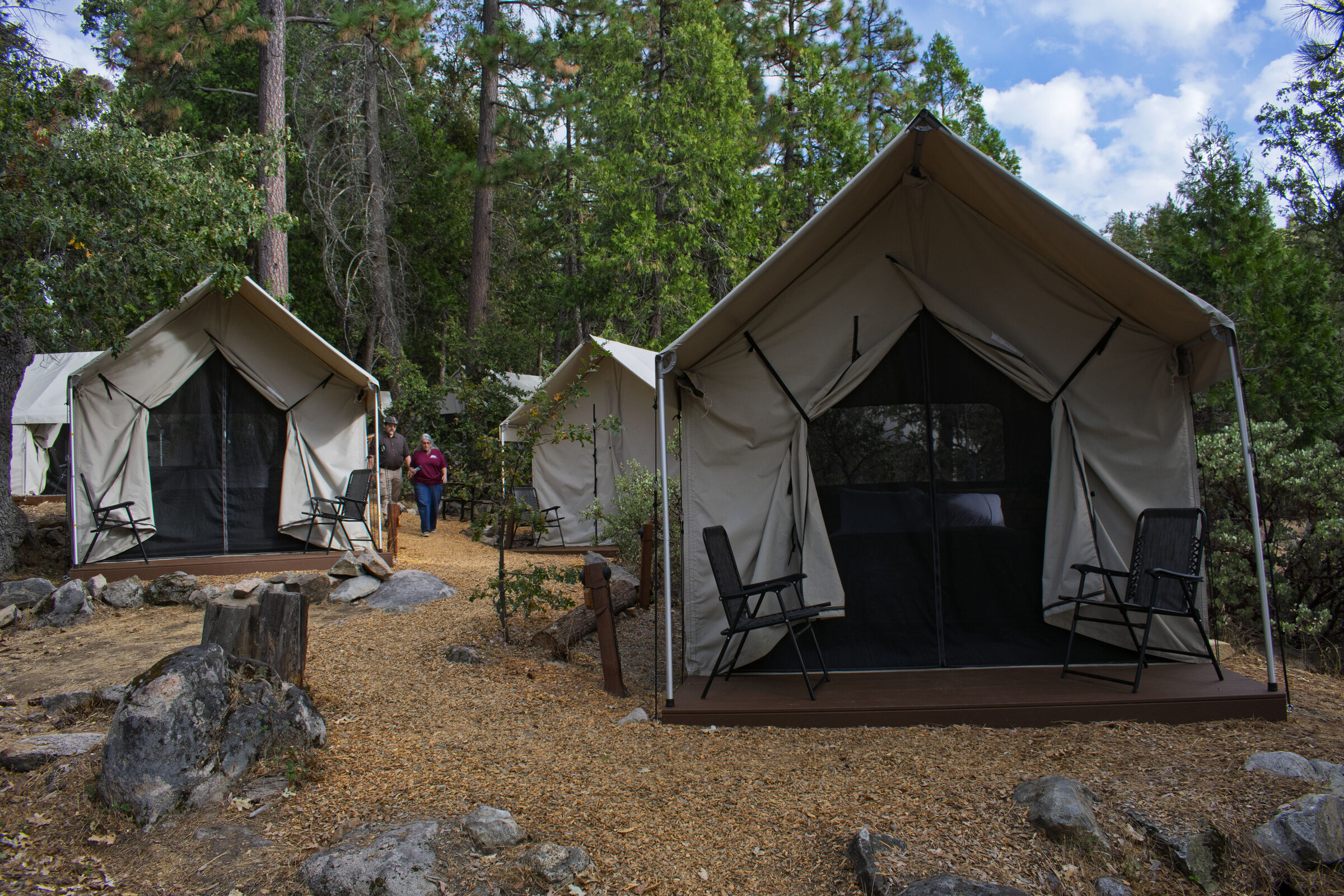
Historic cabins, canvas tent cabins, and a view deck in the pines on the road to Hetch Hetchy. Rustic camp looks with a full-service base for the crew.
Firefall Ranch
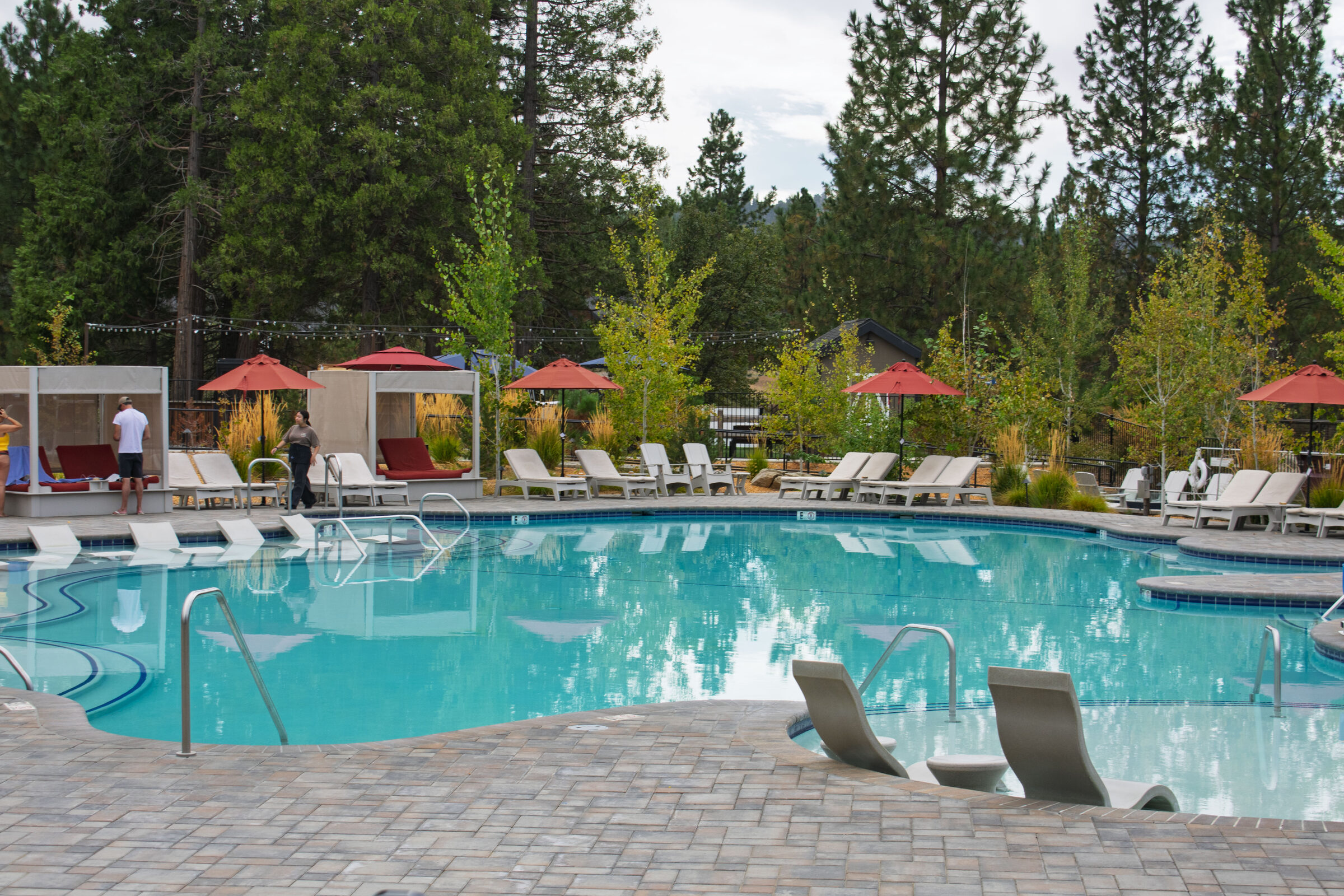
A newer resort near Groveland with a glass-front lodge, a resort pool, ponds, and a big open lawn. Reads as upscale getaway rather than Gold Country.
05 · High Sierra
Highway 108
Up and over Sonora Pass at 9,624 feet: granite, alpine meadows, and the snow line, with Stanislaus National Forest most of the way.
Sonora Pass
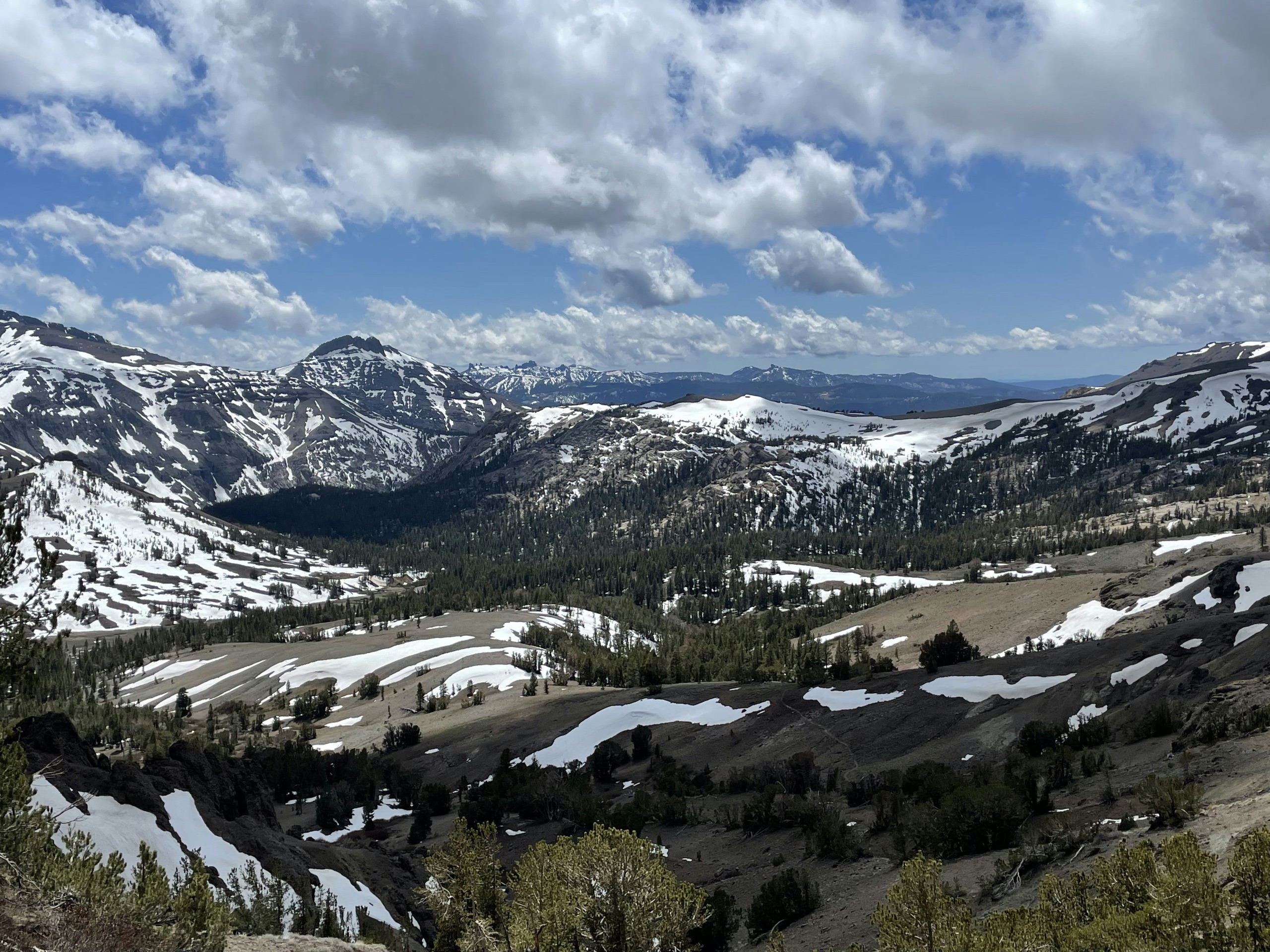
The pass tops out at 9,624 feet on Highway 108, about 90 minutes from Sonora. Roadside granite, meadows, and the Pacific Crest Trail crossing. The road over the pass closes in winter.
Sonora Peak and White Canyon
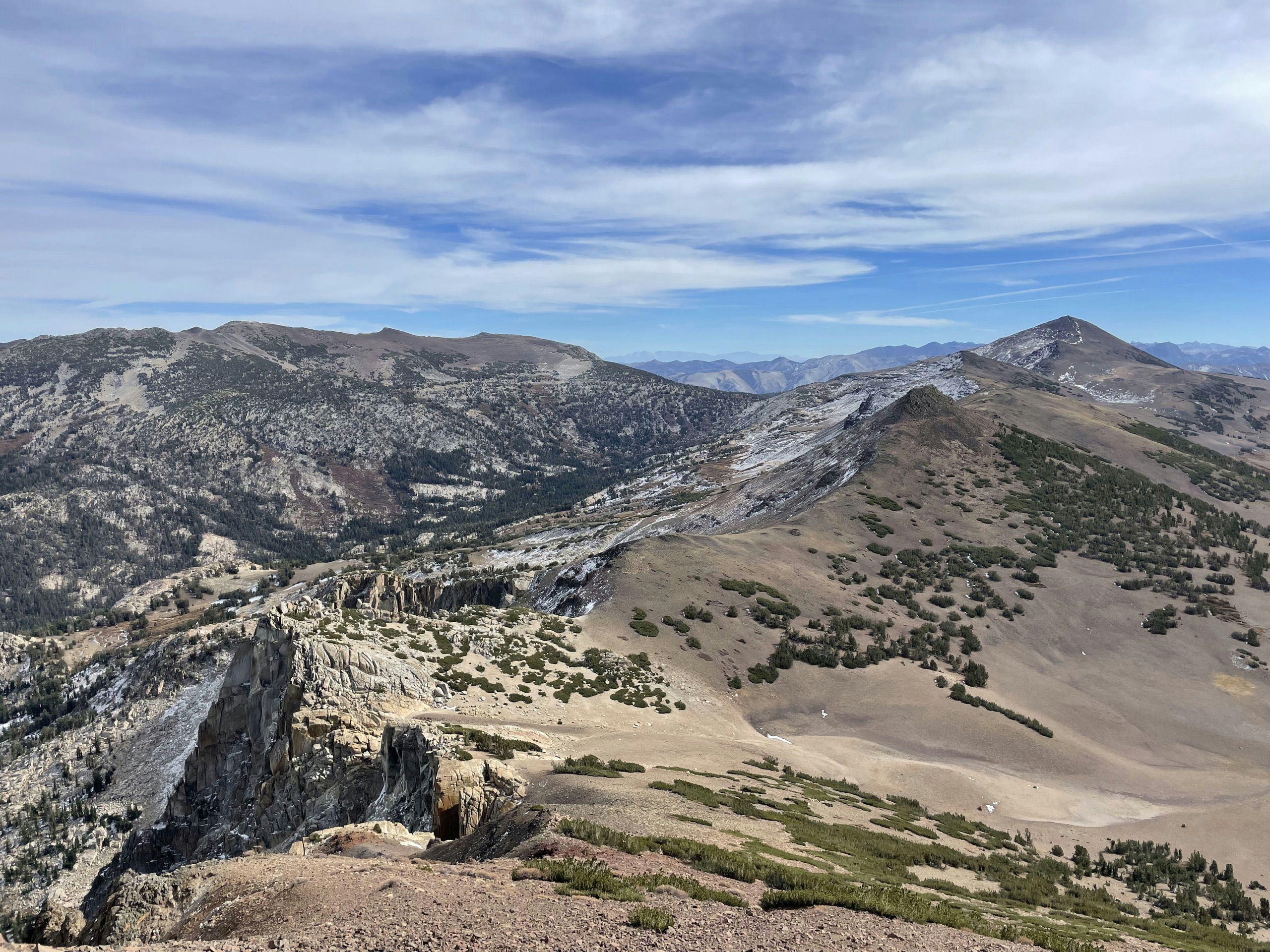
High-Sierra wilderness at the county’s eastern edge, seen from Stanislaus Mountain. The Forest Service asks for 15 business days’ lead on a permit.
Donnell Vista
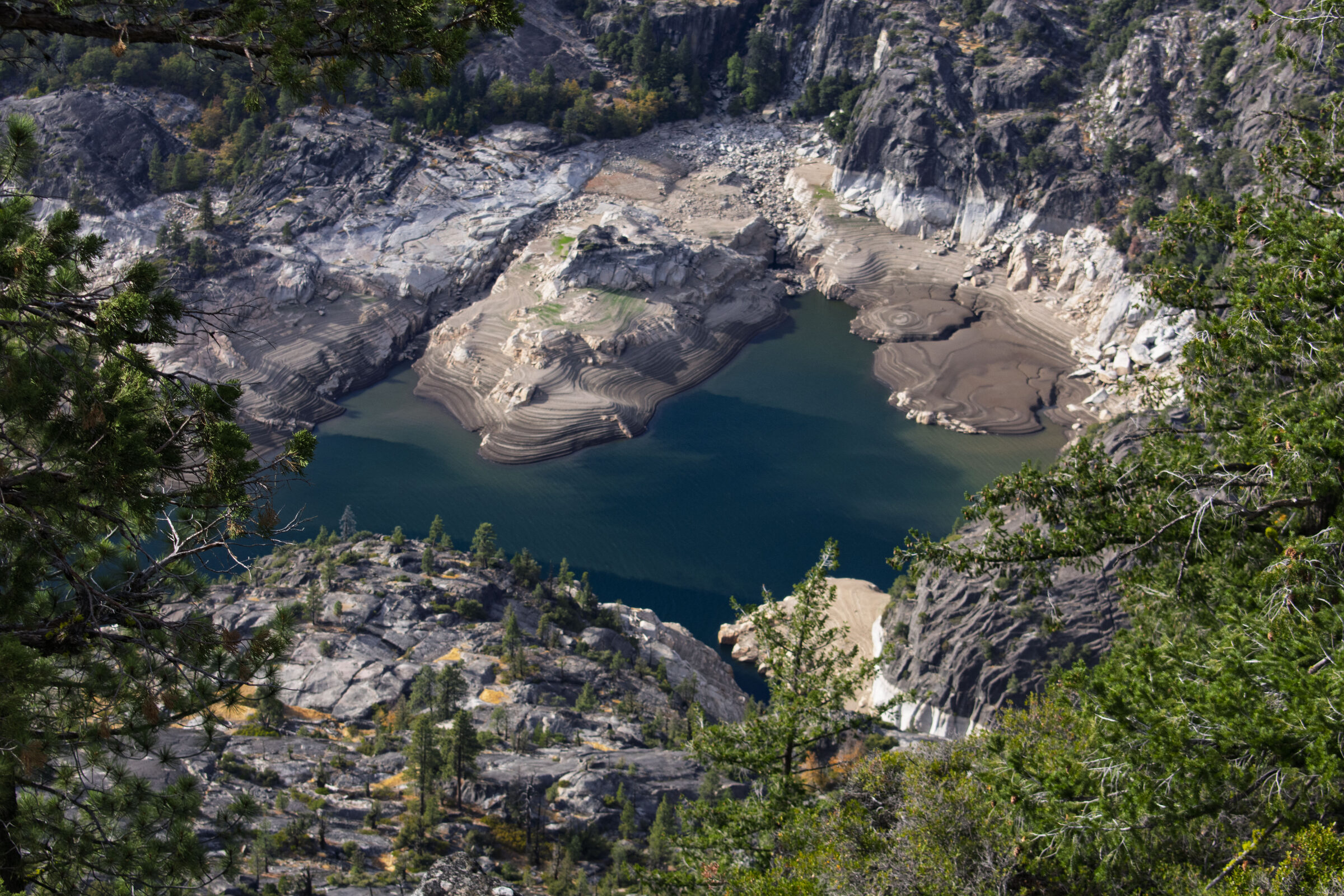
A short walk from Highway 108 to a granite rim above Donnell Reservoir and the Middle Fork Stanislaus canyon far below.
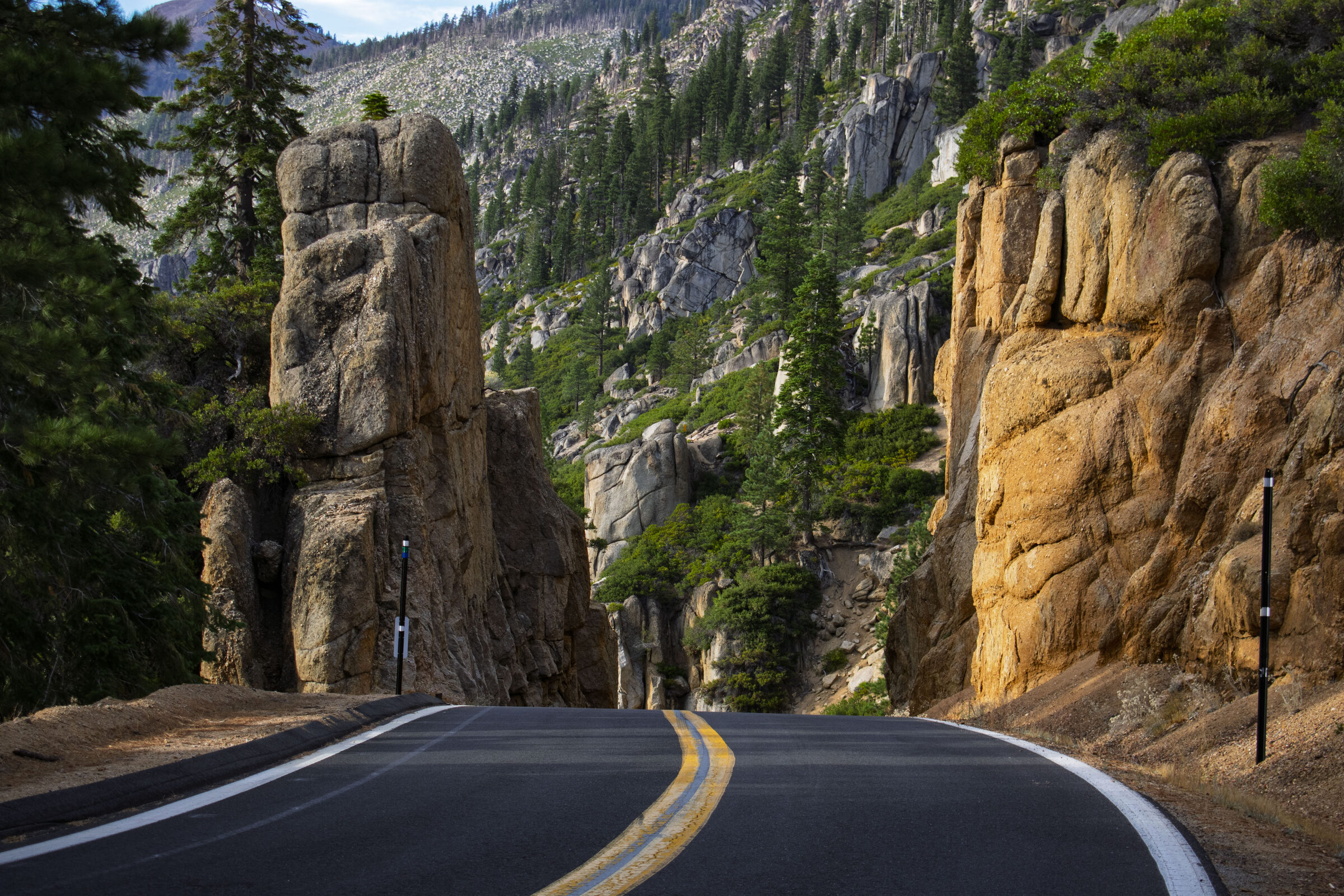
Highway 108 driving roads
Clean two-lane blacktop winding between granite spires and golden cliffs. Low traffic on weekdays and the classic car-commercial curve.
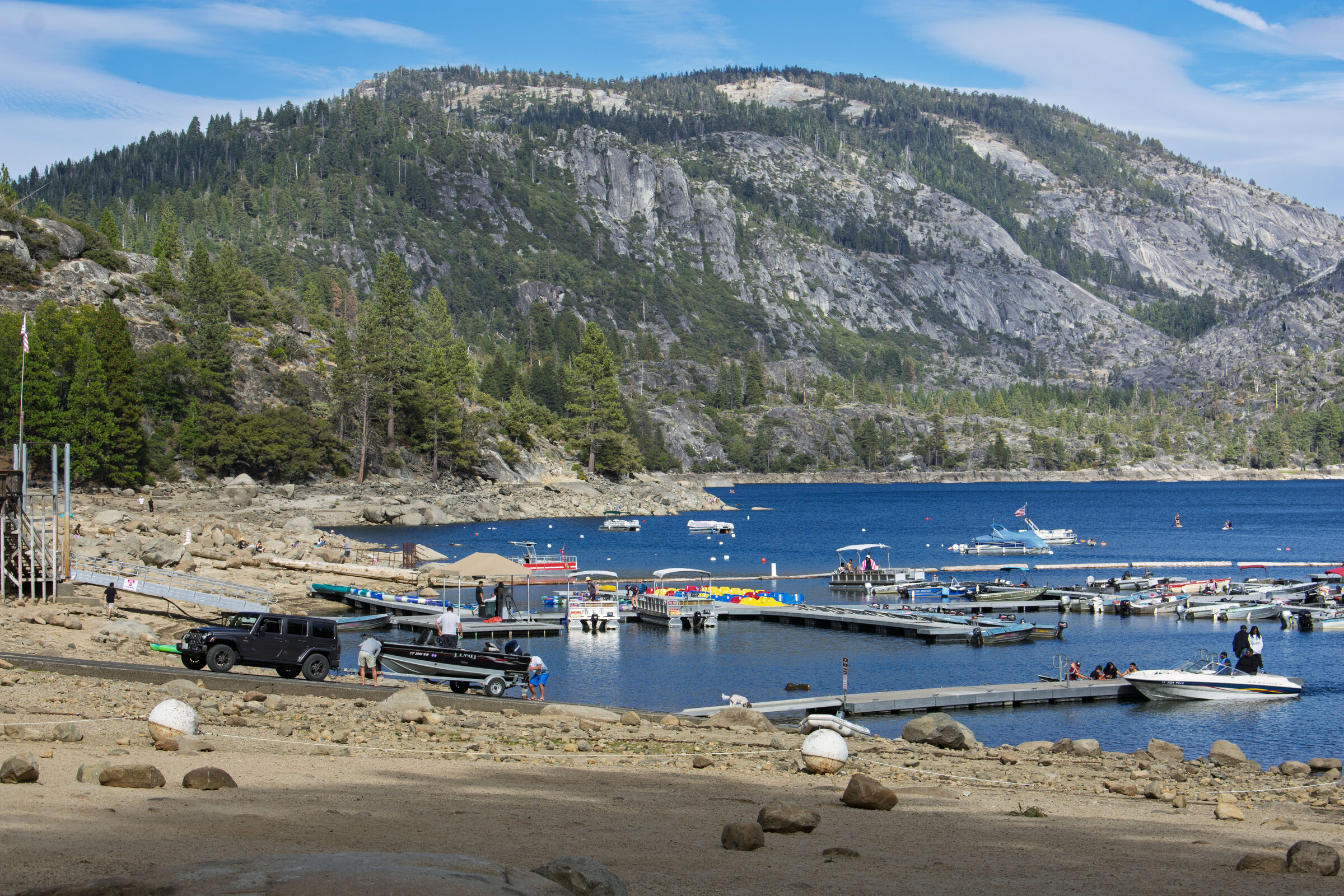
Pinecrest Lake
A mountain lake with a sand beach, marina, and granite ridge behind it off Highway 108 above Sonora. Busy in summer and quiet the rest of the year.
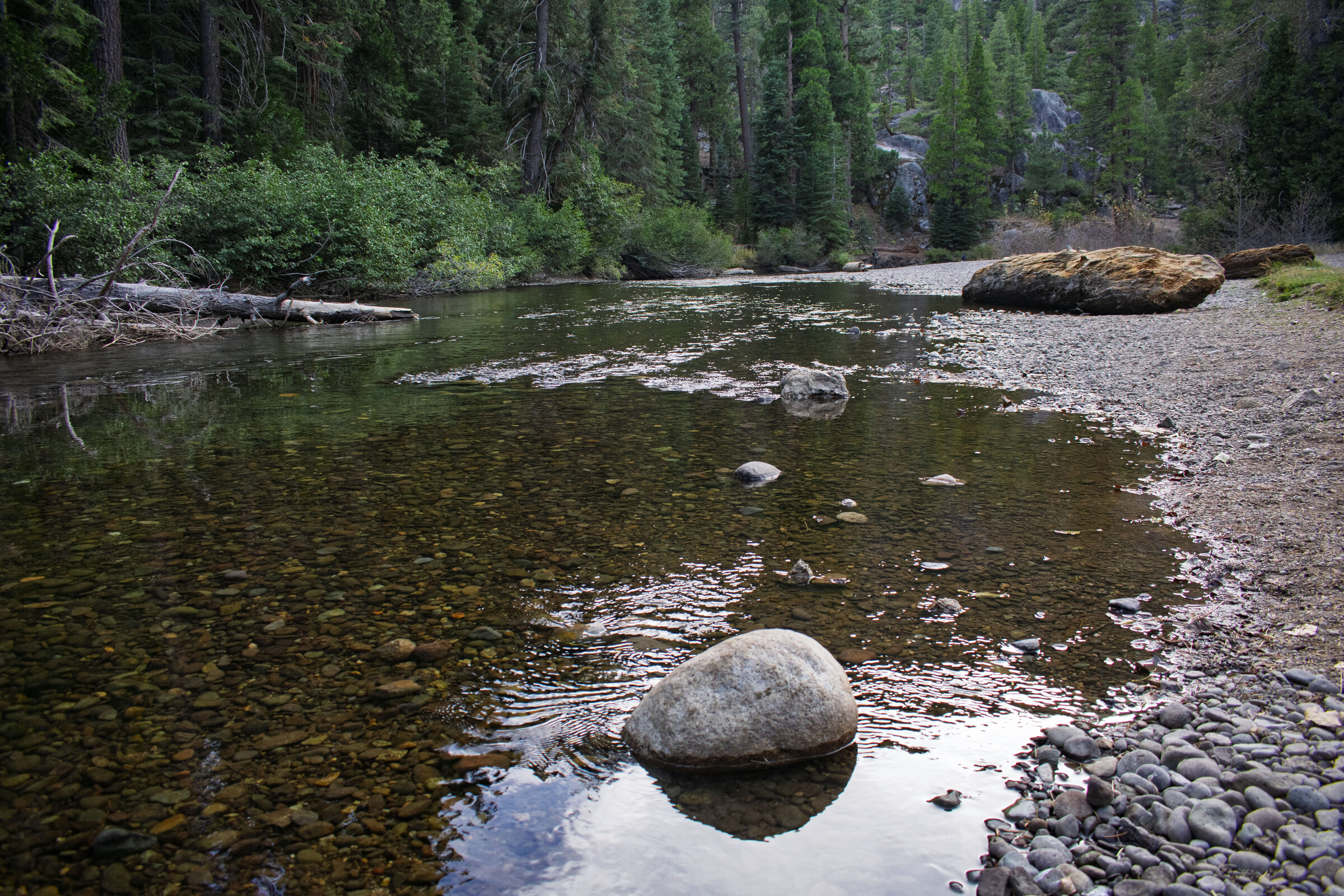
Kennedy Meadows and the Middle Fork
Clear, shallow river over granite cobbles under steep forest at the end of the Kennedy Meadows road, with the resort and pack station close by.
06 · Mill towns
Tuolumne & Standard
Mill towns east of Sonora. Tuolumne grew up around the West Side Lumber Company mill of 1899, and Standard is still a working Sierra Pacific mill town — small-town streets and logging remnants that haven’t been art-directed yet.
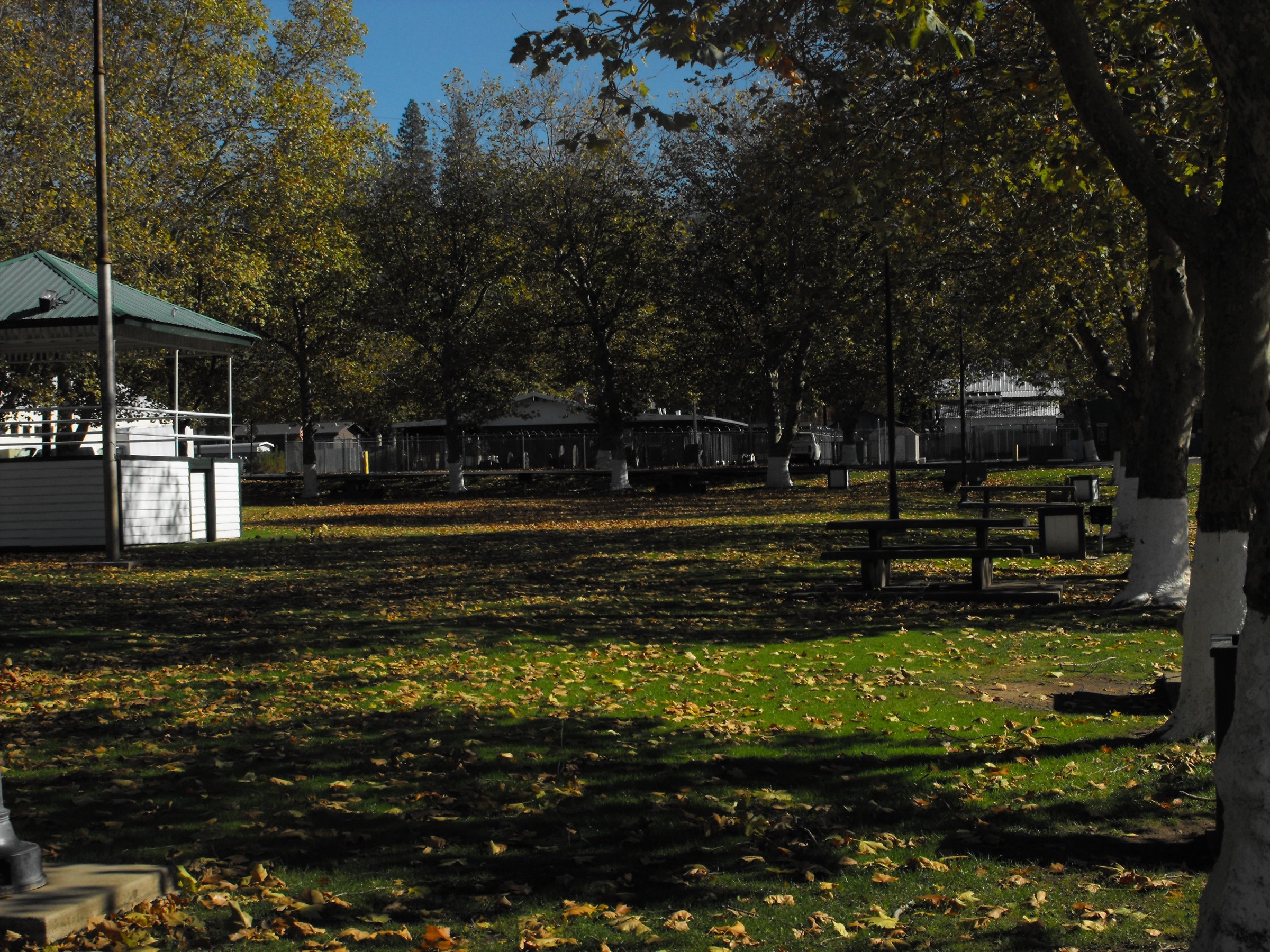
Downtown park, Tuolumne
The town park at the center of Tuolumne: gazebo, picnic tables, and big sycamores that go gold in November, with Memorial Hall and the town’s storefronts around it.
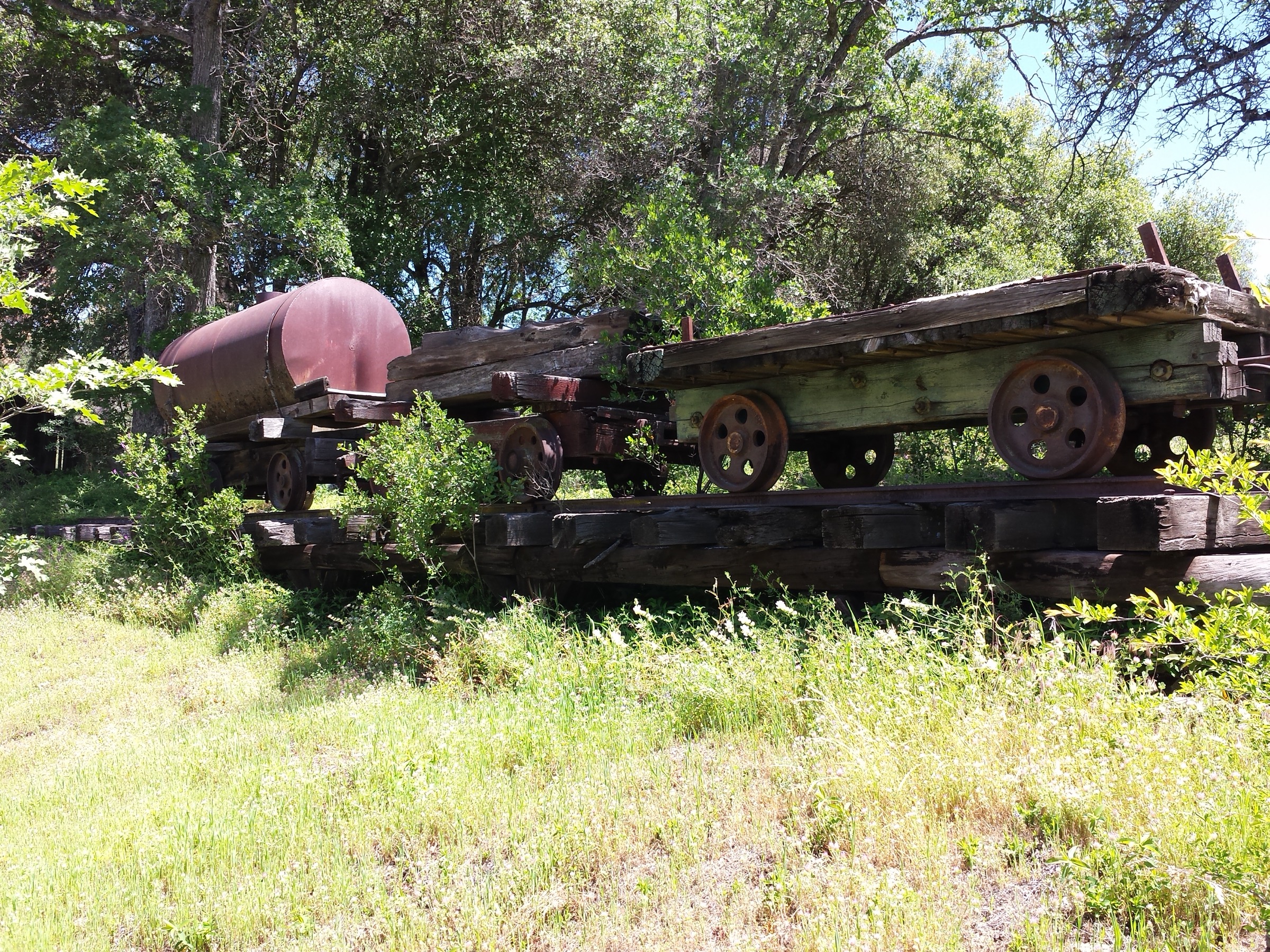
West Side Lumber relics
Flatcars and a tank car from the West Side Lumber Company’s narrow-gauge railroad, rusting on stacked ties in the oaks. Remnants like these are scattered through the mill towns and up the old rail grade.
07 · Foothill badlands
Chinese Camp & Red Hills
Serpentine rangeland and a Gold Rush ghost town at the junction of Highways 49 and 120. Most of Chinese Camp’s Main Street burned in the September 2025 fire; the 1854 church survived. Red Hills is a BLM Area of Critical Environmental Concern, so plan extra lead time, and ask the commission for current conditions before you scout.
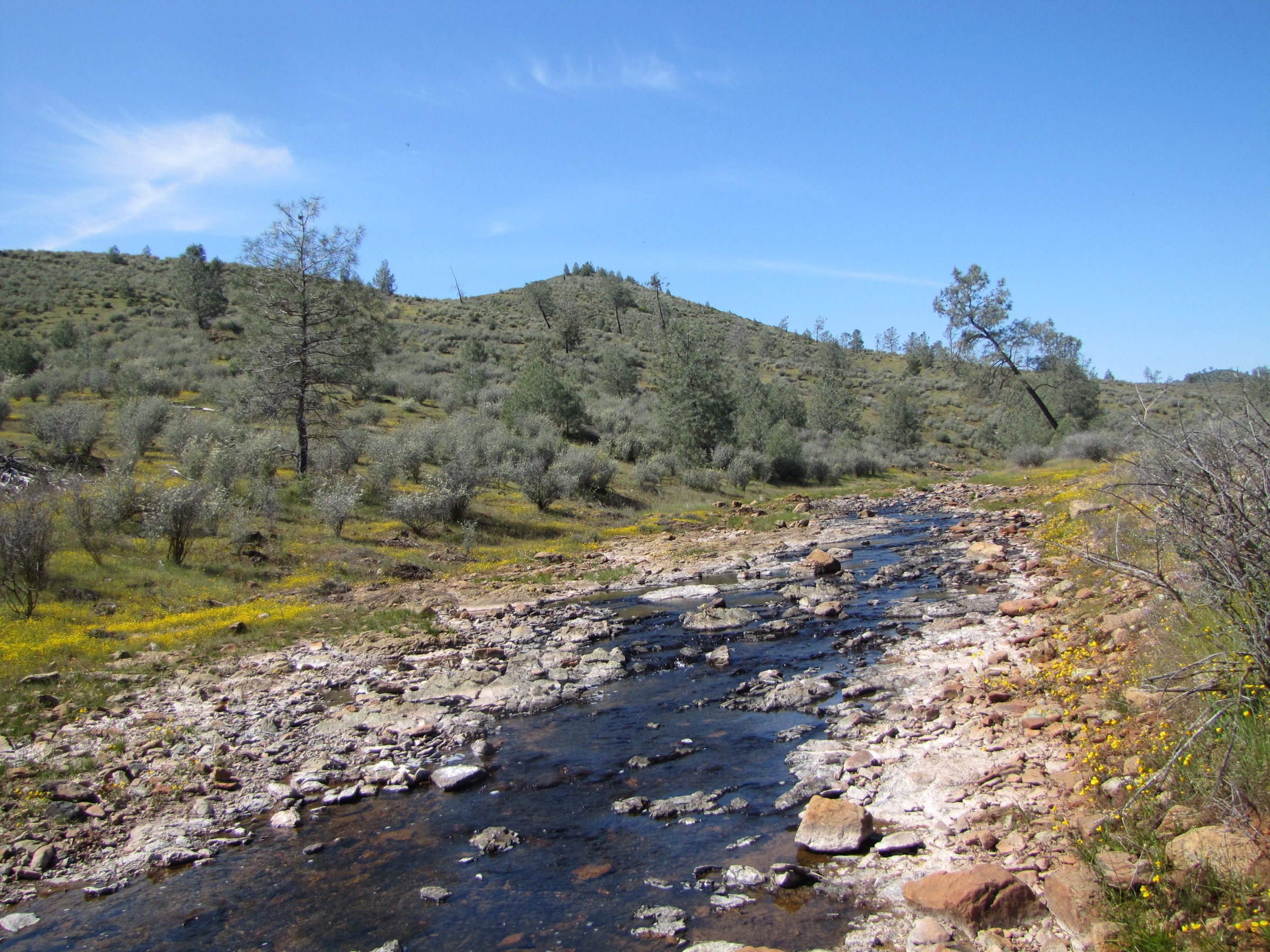
Red Hills Recreation Management Area
Seven thousand acres of BLM serpentine hills just south of Chinese Camp: rocky creek beds, foothill pines, and open rangeland that reads as badlands most of the year.
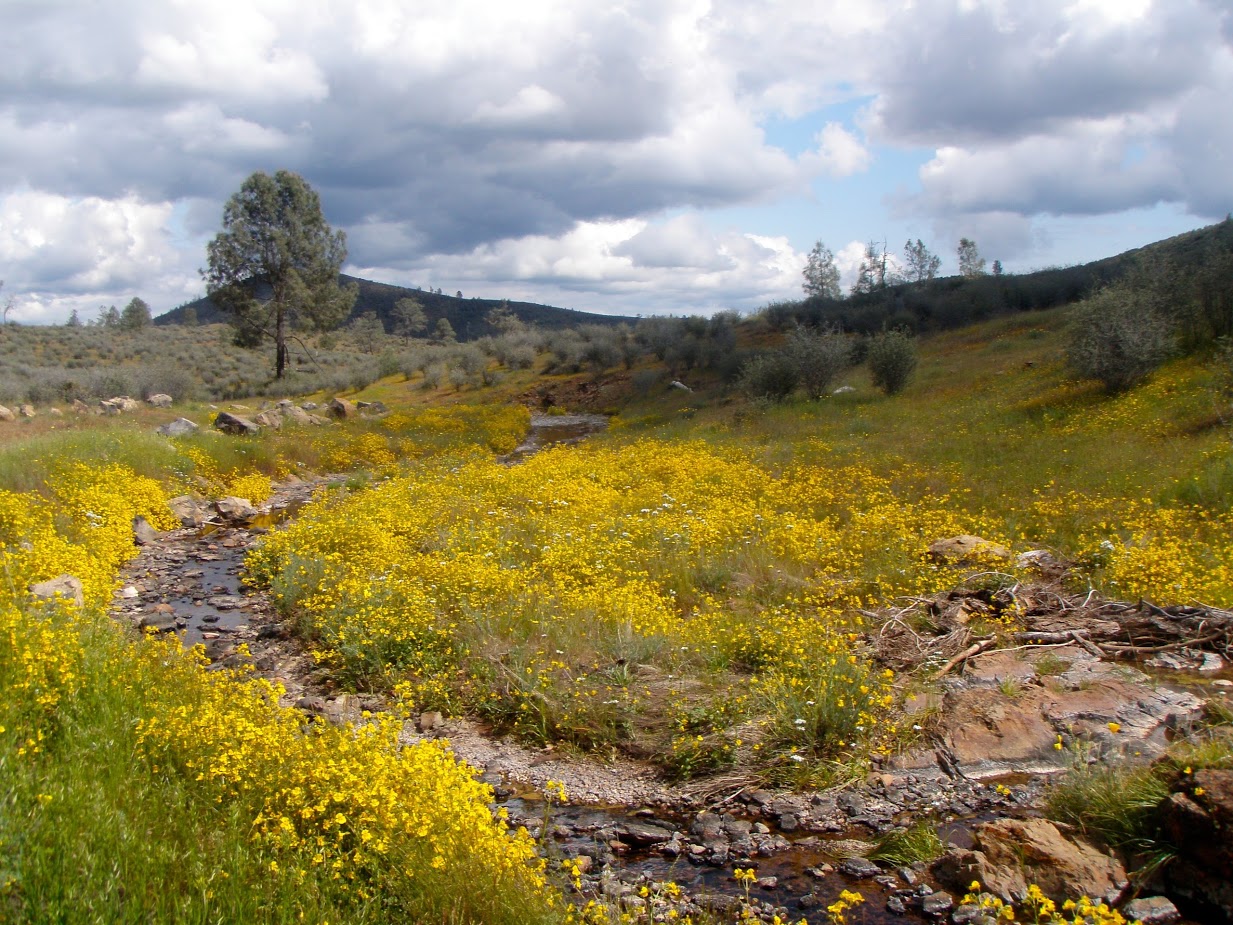
Red Hills in spring bloom
For a few weeks in March and April the same hills go yellow, white, and pink with wildflowers, including two species that grow nowhere else. Timing shifts with the rains, so check with the commission.
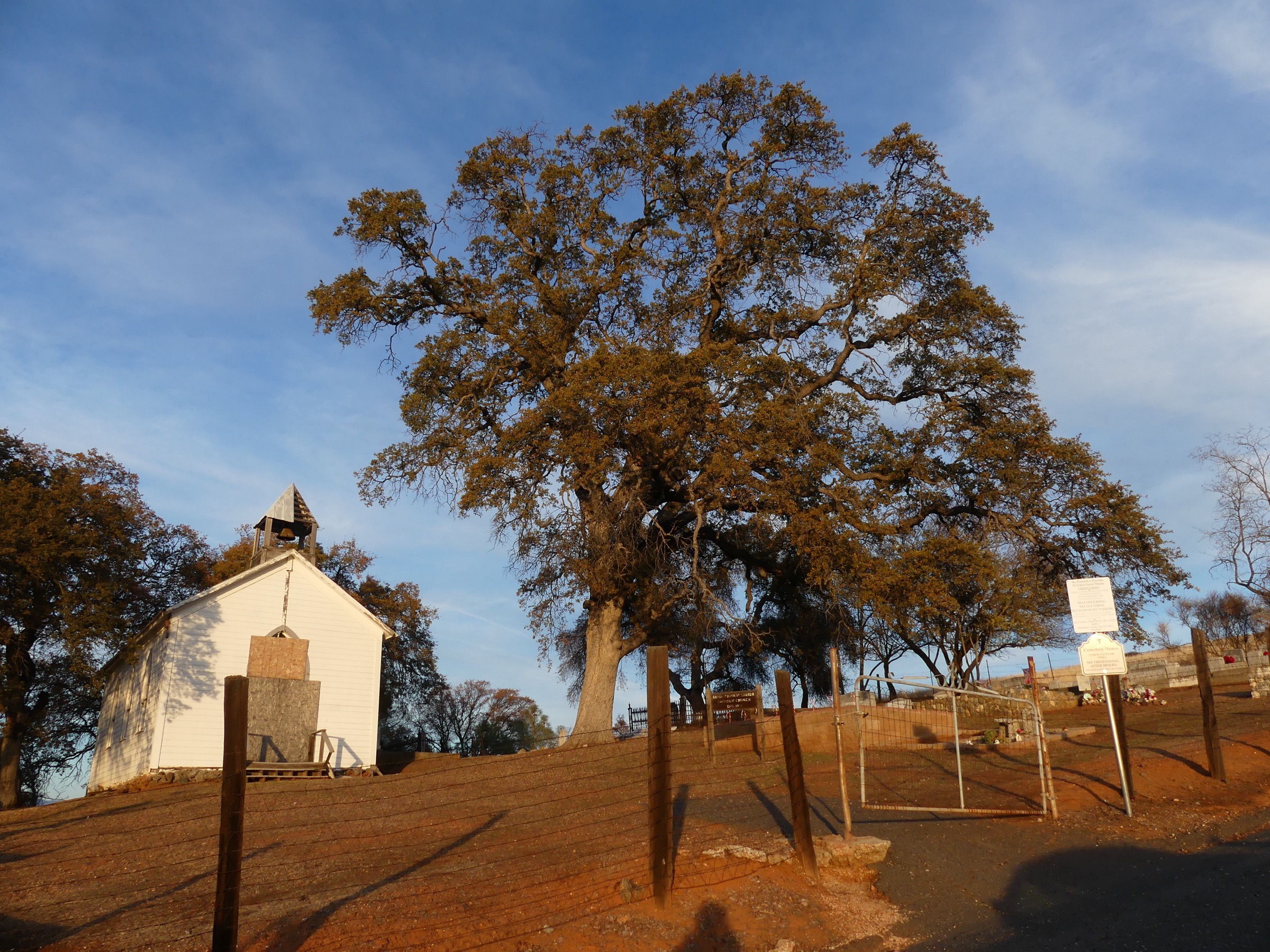
St. Francis Xavier Church, Chinese Camp
The white wooden church of 1854 on its hill above town, with the pioneer cemetery beside it. It came through the 2025 fire that took most of Main Street.
Runways
County airports
Two county-run fields, both film-friendly as locations in their own right: hangars, taxiways, and a grass strip in Gold Country hills.
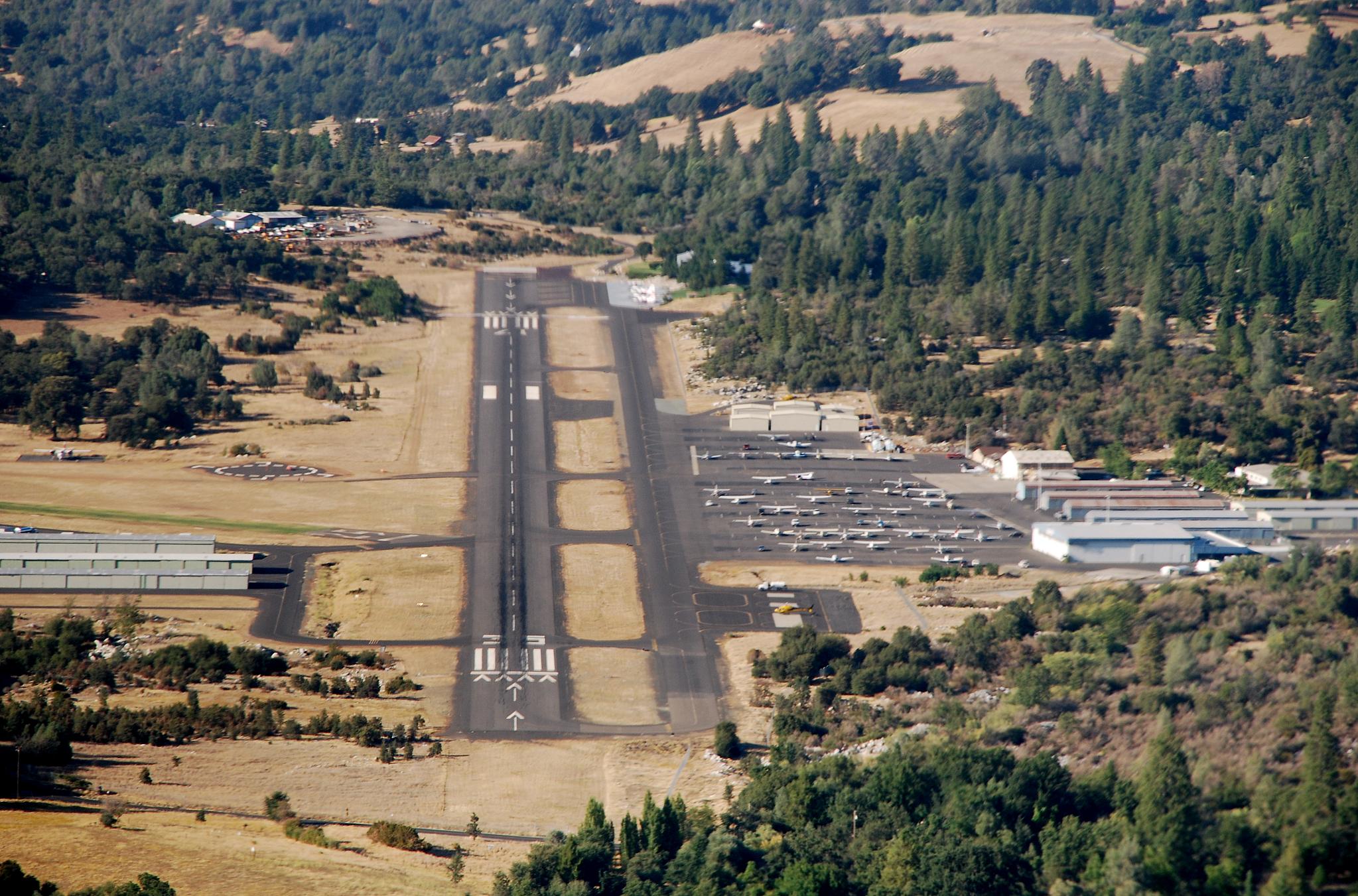
Columbia Airport
A quick hop from Columbia State Historic Park, with a 4,650-foot paved runway and a 2,600-foot grass runway.
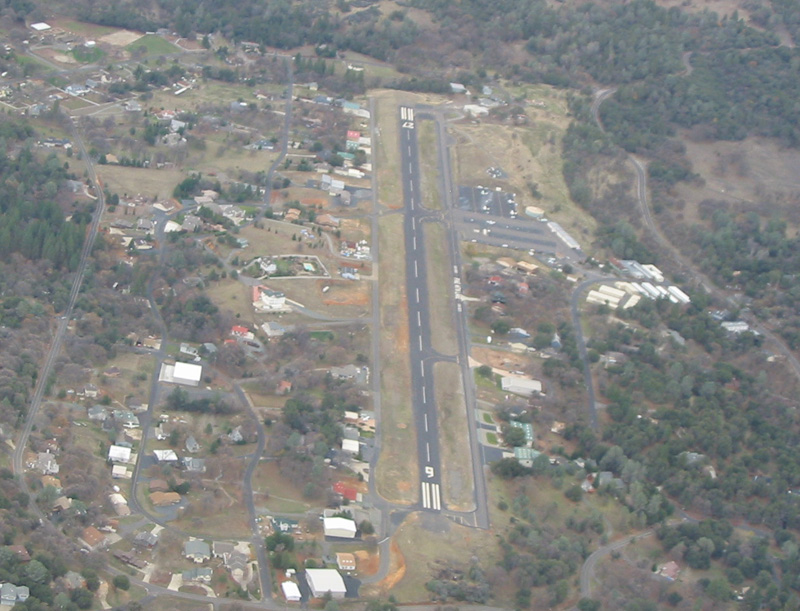
Groveland-Yosemite Airport
Formerly Pine Mountain Lake Airport. In Groveland just off Ferretti Road, with a 3,625-foot runway and lit overruns on each end. The closest strip to the Yosemite gateway.
Don’t see what you need?
We’ll help you scout. The commission keeps a longer internal list of film-friendly properties.